Anti-waste restaurant cooking: cook better, throw away less
Published on
Cooking what the market gives, using produce from top to root, turning surplus into a dish rather than binning it: anti-waste restaurant cooking is a working method, not a slogan. Here is how it plays out in practice, as we live it at Berchoux since 2020.
The essentials
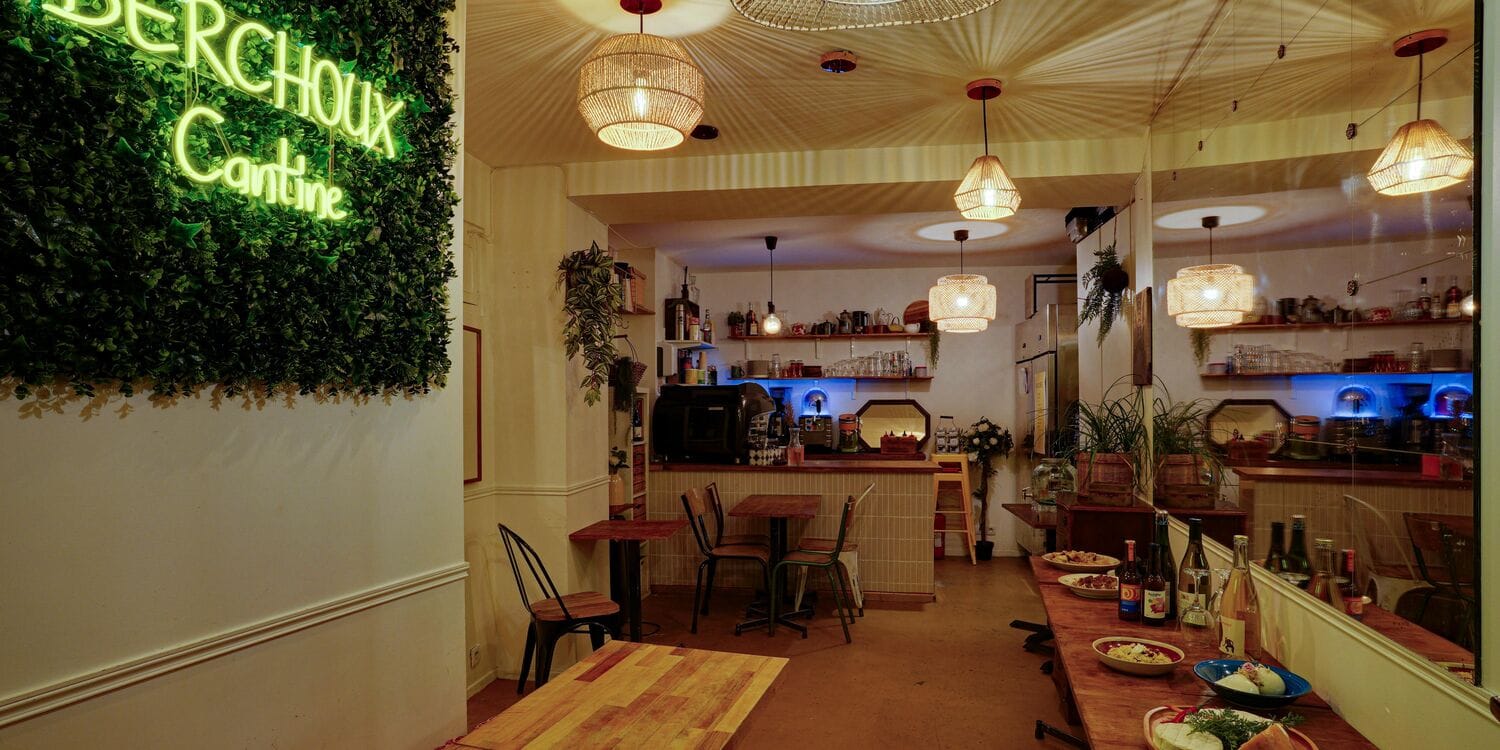
Anti-waste restaurant cooking means cutting food losses at every stage: purchasing tied to the morning market, produce cooked in full, portions matched to footfall, surplus turned into the dish of the day and packaging reduced. In hospitality, close to a third of the food bought ends up in the bin; a well-run anti-waste approach lowers that volume, trims costs and improves a restaurant's footprint. At Berchoux, in Montmartre, this has guided every service since opening: a daily menu that follows deliveries, home cooking, and nothing wasted.
Anti-waste restaurant cooking: what does it mean?
Anti-waste restaurant cooking describes how a professional kitchen is organised so that as little food as possible ends up in the bin. It's not a recipe or a label but a chain of decisions: what you buy, how you store it, how you cut it, what you do with trimmings, and what you offer when produce is left at the end of service. Every link matters, because waste rarely happens all at once — it builds up in small amounts across the day.
An anti-waste restaurant seeks consistency rather than a showy ideal. That means a shorter, shifting menu, cooking what you have rather than what you wish you had, and using parts of the produce usually thrown away. The apparent constraint quickly becomes a signature: a livelier, more seasonal, often more creative kitchen than a fixed menu ordering the same references all year.
Anti-waste doesn't work against quality — quite the opposite. Cutting losses forces you to know your produce better, work fresher and cook more on site. It's a professional standard as much as a commitment: you don't throw away what you took the time to understand.

Food waste in hospitality: a real issue
Food waste is far from anecdotal in hospitality. According to France's ADEME, restaurants account for a significant share of food losses, much of it avoidable. Between peelings binned out of habit, over-generous portions coming back to the kitchen and produce expiring before it sells, the sources of loss are many and rarely obvious at first glance.
Waste spreads across three key moments: storage (forgotten or poorly kept produce), preparation (trimmings and over-production) and plate returns (what guests leave). Acting effectively means looking at all three, not just the visible leftovers at the end of service — and the storeroom often hides the costliest losses.
Putting numbers on your own waste is the first step. Weighing what you bin for a week, station by station, almost always reveals surprises: a vegetable routinely over-ordered, a side that never sells, a dessert made in excess. Without that measure, anti-waste stays an intention; with it, it becomes an action plan.
Cooking the whole produce, top to root
The first reflex of anti-waste cooking is refusing the idea that produce equals only its 'noble' part. Carrot tops, peelings, vegetable trimmings, bones, day-old bread: matter we bin out of habit that can become stocks, pestos, crisps, breadcrumbs or sauce bases. Cooking top-to-root and nose-to-tail isn't a trend but a return to an economy kitchens long knew.
It takes method. From purchase, you plan how each part will be used and organise the mise en place accordingly. Tops become a condiment, trimmings join a stock, stale bread turns into croutons or French toast. Nothing is spectacular alone, but together it radically changes a kitchen's waste volume.
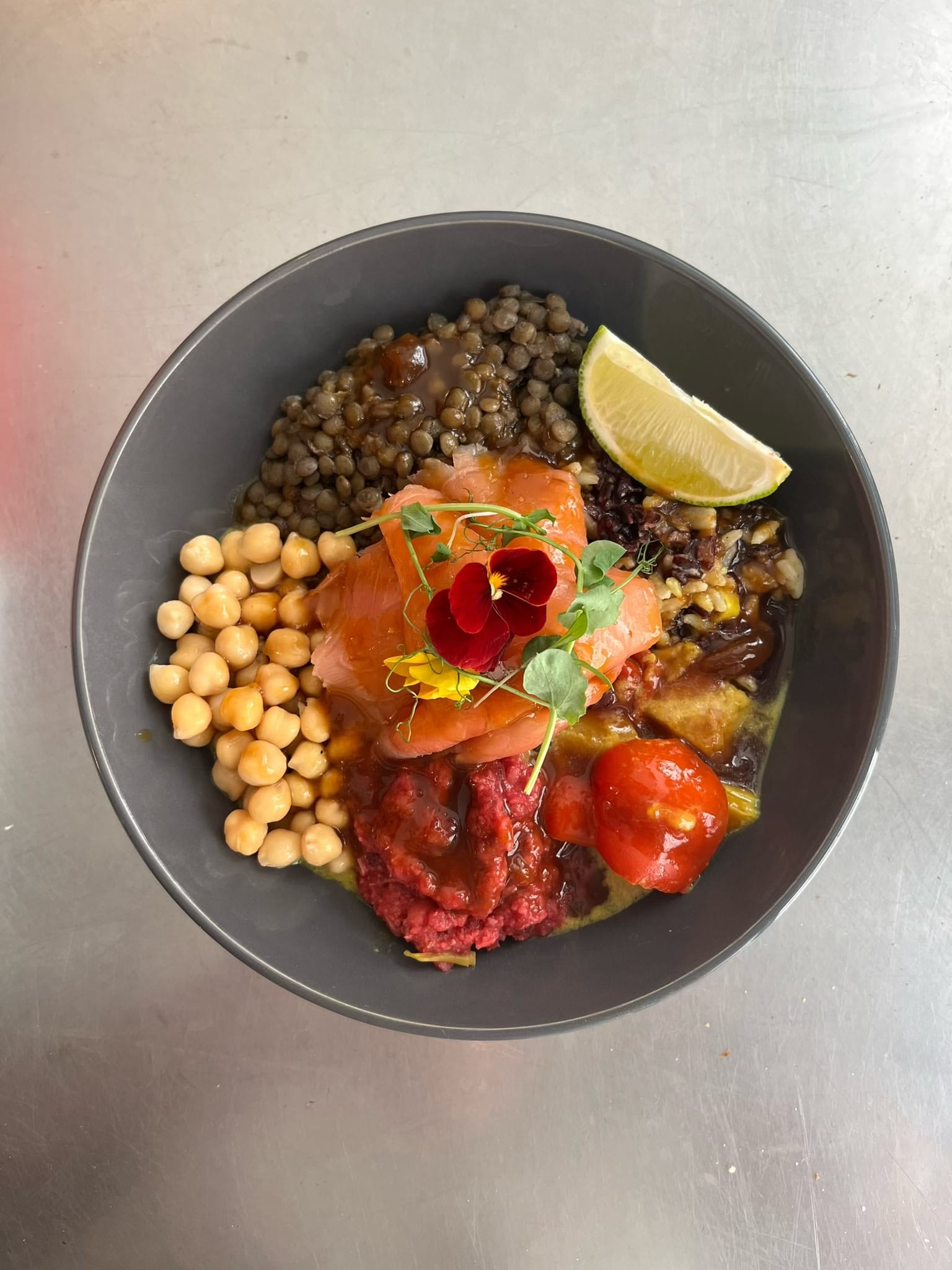
At Berchoux, this shows in home cooking where vegetables take the lead. A flexitarian menu helps: working the plant kingdom multiplies chances to use produce in full and reduces reliance on fragile references that spoil fast. The poke bowl, the daily sides, the soups: formats that naturally welcome what the morning market offered.
A daily menu at the pace of the market
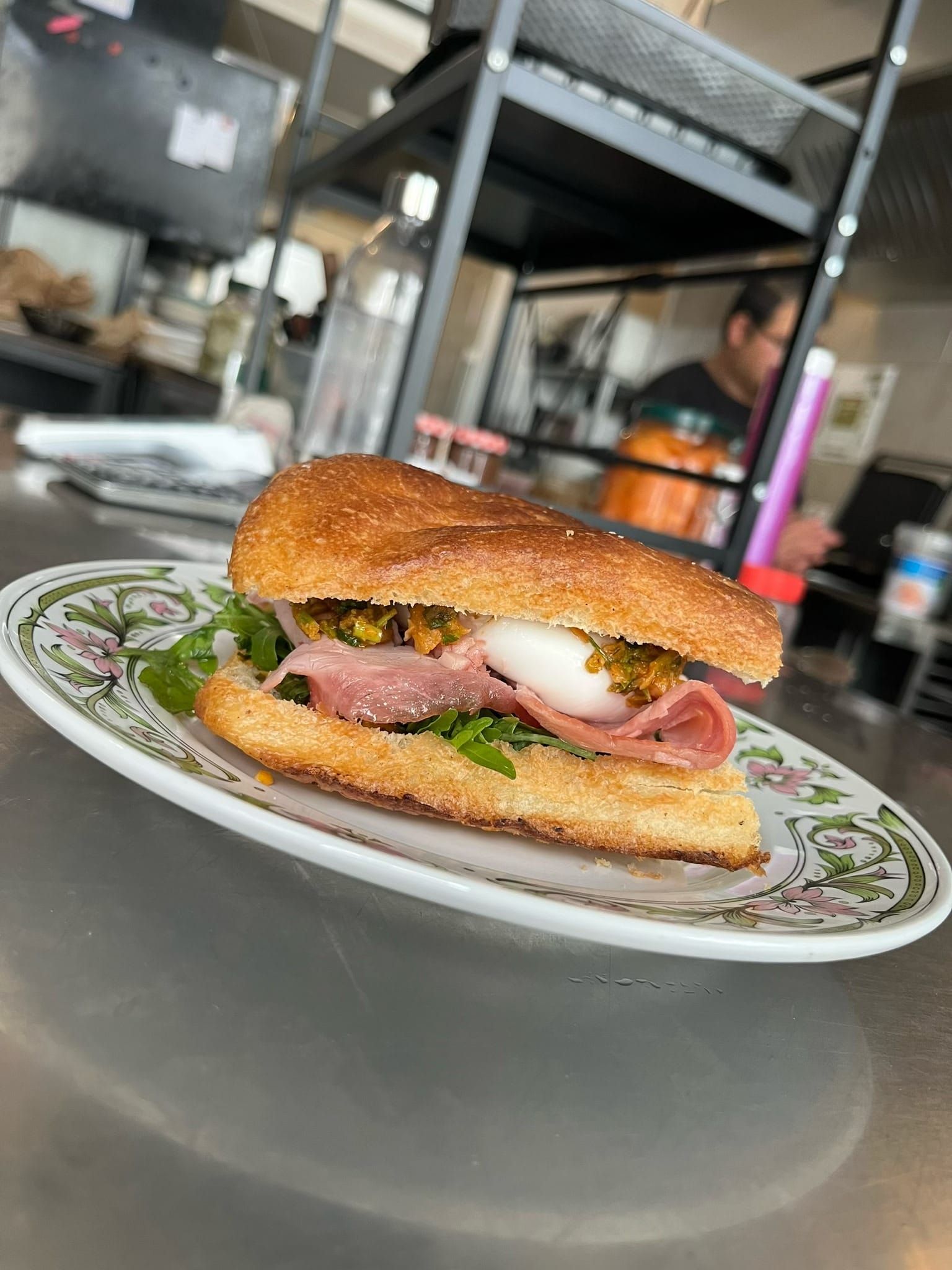
The most powerful tool against waste is probably the daily menu. Rather than a fixed card forcing the same orders, you build each morning around deliveries. You buy what you truly need, cook what you bought and match production to expected footfall. The structural loss from references that 'don't sell' almost disappears.
This also reshapes the relationship with suppliers and the market: you favour seasonal produce, often cheaper and more plentiful, and let the menu shift day to day. For regulars, that rotation becomes a pleasure rather than a flaw — you never quite know what you'll find, but you know it will be fresh and home-made.
At Berchoux, the daily menu is announced each morning, including online, extending the direct link that gives a neighbourhood table its charm. It demands agility: cooking what arrives, improvising a side, reinventing a dish from one service to the next. Demanding, but exactly what keeps a kitchen alive and moves it towards zero loss.
Adjusting portions and anticipating footfall
Much waste comes from a gap between what you produce and what you sell. Three simple levers narrow that gap without hurting the guest experience.
Right-sized portions
Calibrating portions to what guests actually finish cuts plate returns. A generous but well-sized plate beats an excess that comes back to the kitchen.
Piloted production
Cooking in waves rather than all at once, keeping a base you top up with footfall, limits off-peak over-production.
History as a compass
Noting what sells and what's left, day after day, helps anticipate footfall and order tightly. Service memory beats blind estimates.
Making the most of surplus and leftovers
Even with the best organisation, produce is always left at the end of service. The point isn't to make it vanish but to decide in advance what it becomes. The golden rule of anti-waste cooking is simple: surplus goes into the dish of the day, a preparation base or the next day's offer rather than the bin. The menu adapts to what's left, never the reverse.
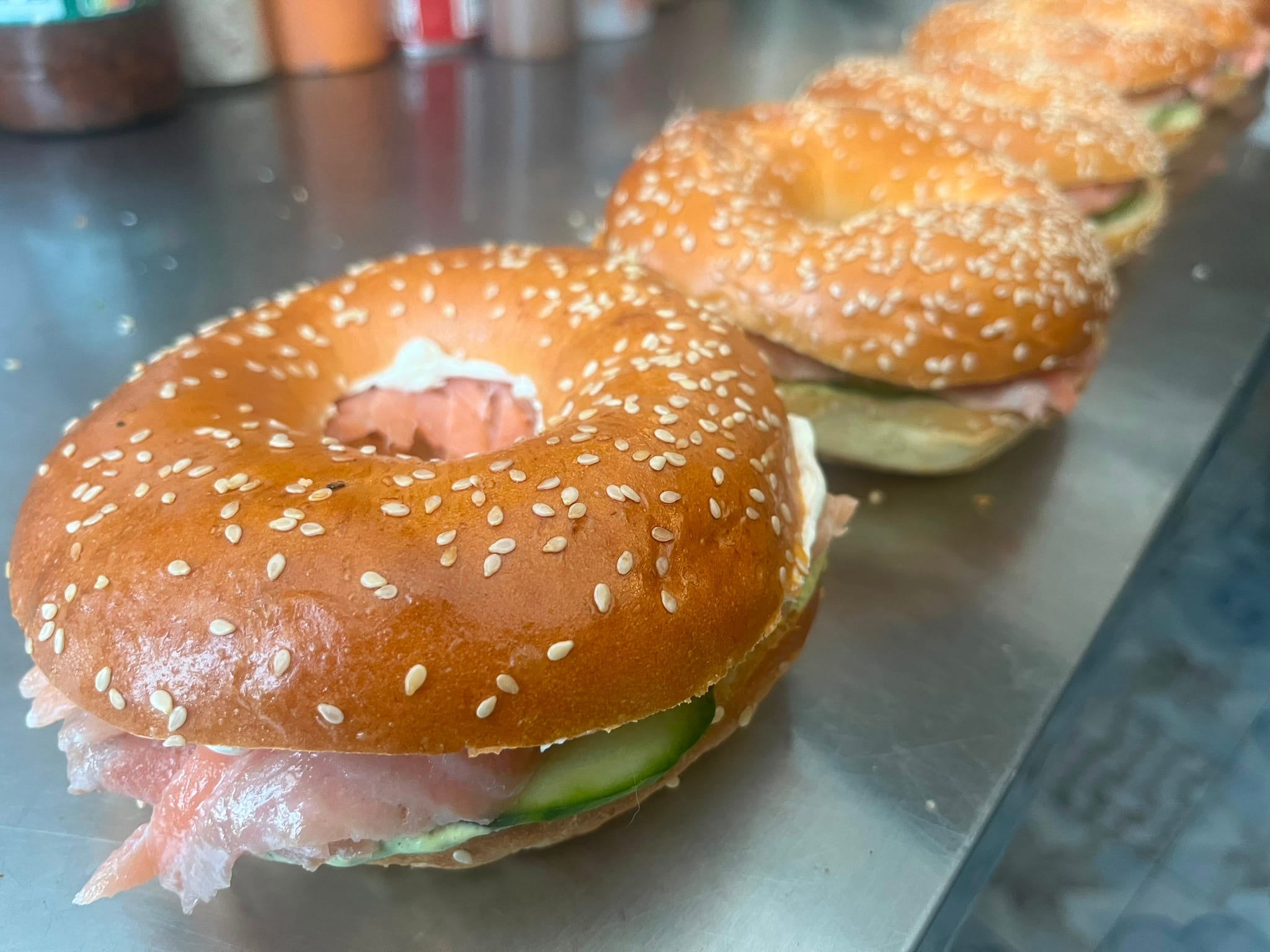
The levers are many. Surplus vegetables become a soup, tart or side; day-old bread turns into croutons or French toast; an extra preparation joins tomorrow's sandwich. Add end-of-day reduced-price options, like anti-waste boxes, which clear what won't be served while reaching new, values-driven customers.
The key is treating leftovers as a resource, not a failure. A well-designed kitchen builds this into its daily routine, with 'buffer' recipes ready to absorb surplus. It's often where the most inventive dishes are born: constraint fuels creativity, and the guest simply sees a menu that never quite repeats itself.
Cutting packaging and sorting better
Anti-waste isn't only about food: packaging and non-food waste are part of the equation. Three habits shape a leaner kitchen.
Reusable containers
Favouring reusable containers, for takeaway and in the kitchen, sharply cuts disposables and single-use plastic.
Bulk, considered buying
Buying keepable goods in larger formats, refusing over-packaging and working with local suppliers reduces waste from delivery onwards.
Sorting and compost
Sorting biowaste and composting peelings closes the loop: what can't be cooked returns to the soil rather than the incinerator.
Taken separately, these habits seem modest; added over a year of service, they change a restaurant's footprint and its relationship to resources.
Anti-waste at Berchoux, in Montmartre
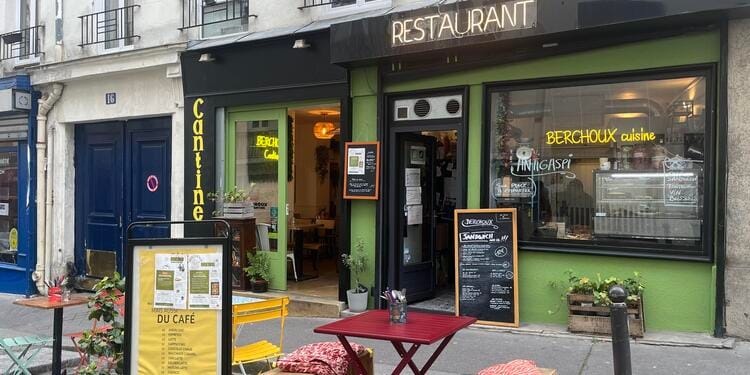
At 16 rue de la Fontaine du But, in the 18th arrondissement of Paris, Berchoux has practised this anti-waste cooking since opening in 2020. The principle holds every day: cook what the market offers in the morning, and let nothing go to waste. Unused produce becomes the dish of the day, the menu adapts to what's left, and home cooking is the rule rather than the exception.
The approach goes beyond the plate. Reusable containers cut disposables, while a small library of books at a symbolic price and a specialty bread from a neighbouring artisan root the table in its area. Steps from the Lamarck-Caulaincourt metro, Berchoux feels like a careful canteen where anti-waste is lived without speeches, simply in the way of working.
The concrete benefits of anti-waste cooking
Cutting waste isn't only good for the planet — it's good management. Every binned product was bought, transported, stored and sometimes prepared: all lost costs. A kitchen that limits losses buys more tightly, ties up less stock and recovers margin without raising prices. Anti-waste is, above all, a concrete economic lever for a restaurant.
There's also a decisive image benefit. Guests attentive to sourcing and to the footprint of their meals recognise and reward genuinely committed places. An anti-waste, seasonal, home-made table naturally stands out from venues serving the same card all year. At Berchoux, that consistency shows in loyal regulars and a high Google rating — proof that responsible and well-liked cooking never oppose each other.
Getting started with anti-waste: practical tips
No need to change everything at once. An anti-waste approach is built in steps, starting with measuring before transforming.
Weigh to understand
Measuring your waste for a week, station by station, reveals the real hotspots and gives a numbered starting point.
Shorten the menu
A shorter, more seasonal menu tied to the market mechanically reduces references that spoil unsold.
Train the team
Anti-waste is a collective reflex: bringing kitchen and floor on board embeds the approach for the long term.
Clear the surplus
Planning buffer recipes and end-of-day sales turns surplus into a resource rather than a loss.
FAQ
FAQ about anti-waste cooking in restaurants
What is anti-waste cooking in a restaurant?
It's a way of organising the kitchen to cut food losses at every stage: purchasing matched to the market, produce cooked in full, calibrated portions, surplus turned into the dish of the day and reduced packaging. The aim is to bin as little as possible while keeping quality cooking.
Why does waste matter so much in hospitality?
Because losses build up in small amounts across three areas: storage, preparation and plate returns. According to ADEME, much of this waste is avoidable. Every binned product has a purchase cost and an environmental impact, making waste both an ecological and an economic issue.
How can a restaurant reduce its waste?
By first measuring its waste, then acting: a market-driven daily menu, cooking the whole produce, adjusted portions, using surplus in the dish of the day or anti-waste boxes, reduced packaging and biowaste sorting. It's built step by step.
Does anti-waste hurt dish quality?
On the contrary. Cutting losses means working fresher, more seasonal and more on site. An anti-waste menu is often livelier and more creative than a fixed one, because the constraint pushes you to know and use each product better.
How does Berchoux put anti-waste cooking into practice?
Since 2020, Berchoux cooks what the market offers in the morning, turns surplus into the dish of the day and favours home cooking. The approach includes reusable containers and strong roots in Montmartre, steps from the Lamarck-Caulaincourt metro.
Is anti-waste profitable for a restaurant?
Yes. Binning less means buying more tightly, tying up less stock and recovering margin without raising prices. Add an image benefit with guests who value responsible, seasonal cooking.
Going further
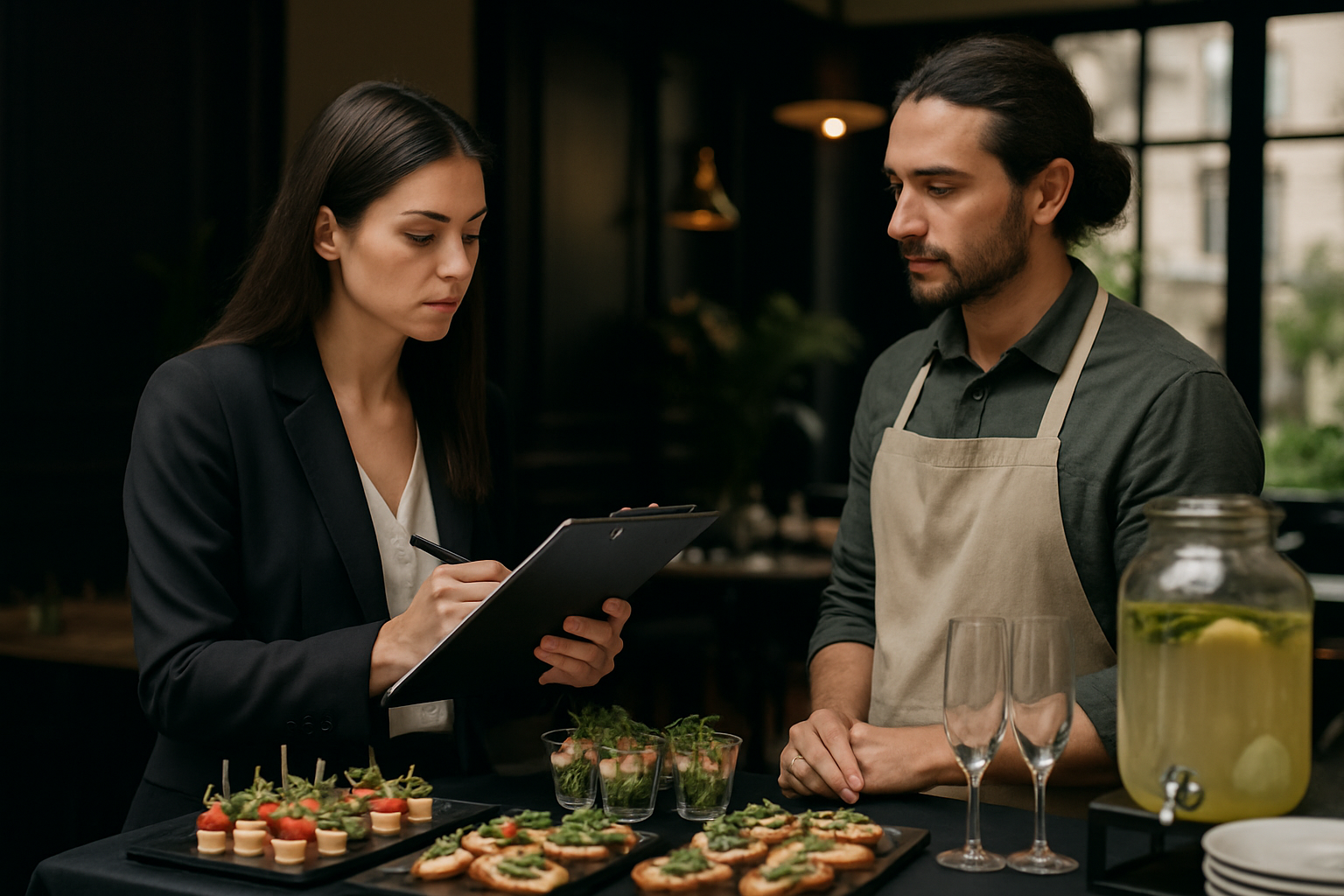
Planning a reception? Discover our cuisine anti gaspi restaurant through our catering offer, also designed without waste.