What is a flexitarian restaurant: cooking that puts plants back at the centre
Published on
The word is on every menu now, but what is a flexitarian restaurant, really? Neither fully plant-based nor bound to serve meat at every meal: flexitarianism is a balance. Here is what it covers, how it differs from vegetarianism and veganism, and how we cook it at Berchoux, in Montmartre, since 2020.
The essentials
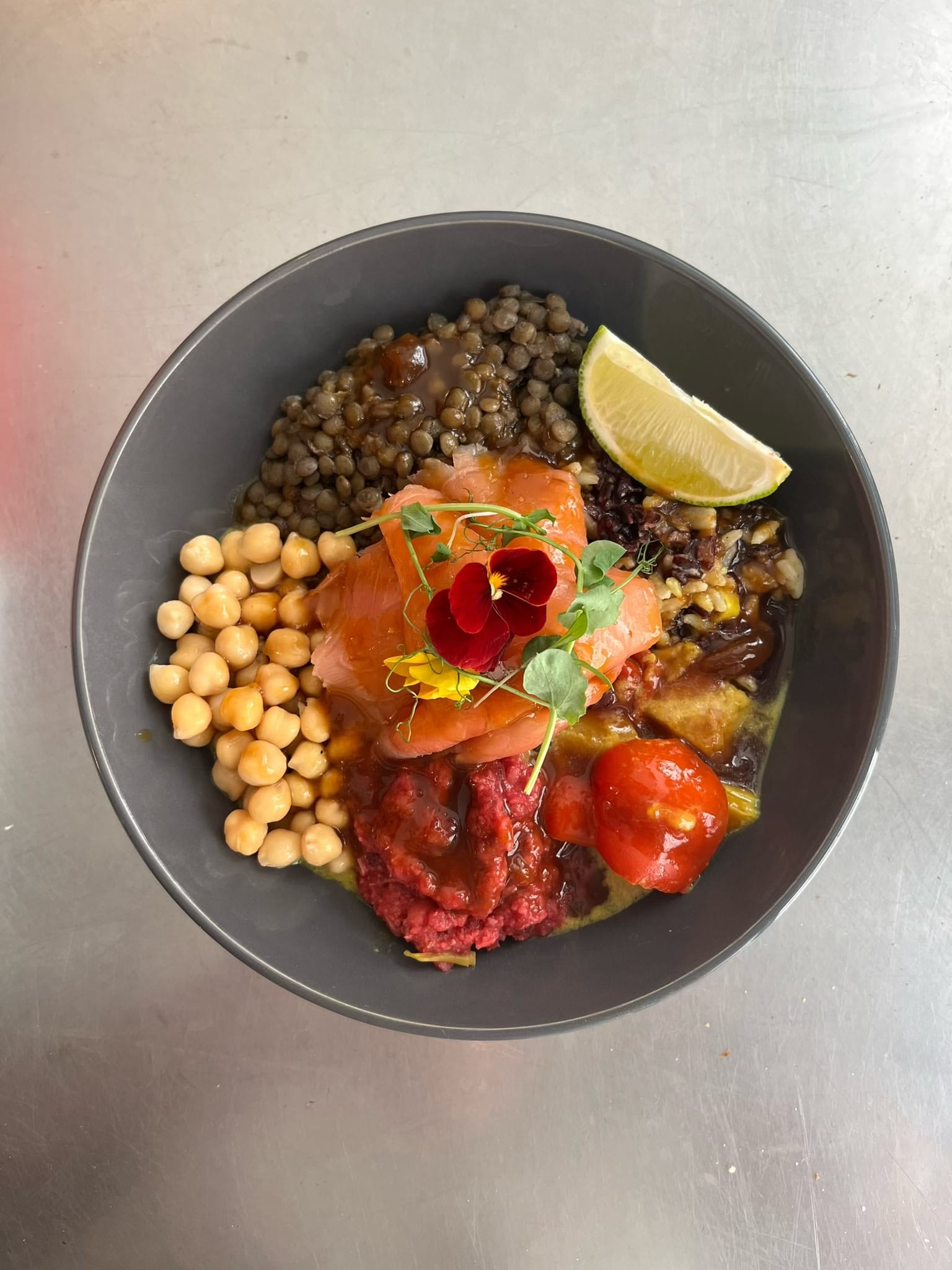
A flexitarian restaurant puts plants first while keeping, occasionally, a little quality meat or fish. The word 'flexitarian' blends 'flexible' and 'vegetarian': you eat mostly plant-based without ruling out an animal protein now and then. Unlike a vegetarian (no animal flesh) or a vegan (no animal product at all), the flexitarian embraces a chosen flexibility. The result is lighter, more seasonal, more inclusive cooking where everyone fits. At Berchoux, in Paris 18, that means a home-made menu where vegetables, grains and pulses lead, with meat and fish as an accent rather than the centre of the plate.
What is a flexitarian restaurant, exactly?
A flexitarian restaurant is one whose cooking puts plants at the heart of the plate without fully excluding meat or fish. It's the balance point between two worlds too often set against each other: classic dining, where animal protein leads, and vegetarian dining, which bans it. In a flexitarian table, vegetables, grains, pulses and fruit form the base of the meal; meat and fish, when present, become an accent rather than the plate's centre of gravity.
It's neither a strict diet nor a dogma. Flexitarianism rests on a simple idea: cutting animal products without ruling them out entirely. A restaurant that claims this approach asks its guests to give up nothing; instead it offers cooking where plants are so well handled that nothing feels missing. That's its strength — it brings vegetable lovers, the curious, big eaters and those simply after something lighter to the same table.
In practice, a flexitarian table shows a few signs: a menu where meat-free dishes are highlighted rather than tucked away, seasonal produce, home cooking, and a deliberate flexibility that lets everyone build their meal as they like. That's exactly the philosophy at Berchoux since opening.
Flexitarian: where does the word come from?
'Flexitarian' is a portmanteau of 'flexible' and 'vegetarian'. It appeared in the United States in the 1990s to describe a new practice: people mostly vegetarian who allow themselves a little meat or fish now and then. Where vegetarianism sets a strict rule, flexitarianism claims flexibility as a starting principle, not a lapse.
It took a few years to cross the Atlantic, but it matches a very old way of eating. For centuries meat was rare and costly, kept for feast days; daily life ran on vegetables, grains and pulses. Today's flexitarianism reconnects with that balance — not out of economic need this time, but by choice of health, taste and environmental awareness.
So a flexitarian restaurant is no passing fad or marketing pose. It reflects a deep shift in our plates: eating fewer animal products, but better, favouring quality over quantity. The word is recent; the practice is a return to common sense.
Flexitarian, vegetarian, vegan: what's the difference?
The confusion is common, as all three orbit the same idea: reducing animal products. But they carry very different commitments. A vegetarian excludes all animal flesh — meat and fish — while eating eggs and dairy. A vegan goes further, refusing anything from animals, including milk, eggs and honey. A flexitarian rules out nothing: they simply choose to eat plant-based most of the time.
The difference lies less in what you exclude than in the spirit. Vegetarianism and veganism rest on a clear line not to cross. Flexitarianism is defined by proportion: the aim isn't to ban but to rebalance. A flexitarian can eat vegetarian five days out of seven and enjoy a meat dish at the weekend without betraying the approach, because flexibility is part of the definition.
For a restaurant, these nuances matter. A flexitarian table welcomes a vegetarian guest easily — plenty of options — as well as one who wants some fish or charcuterie. That ability to bring different expectations together is what sets flexitarianism apart. If the topic interests you, we cover it in our article on the difference between vegetarian and flexitarian.
What does a flexitarian menu look like?
A flexitarian menu can't be reduced to 'vegetables'. It stands out most in how dishes are built and highlighted. Three traits recur.
Plants take the lead
Poke bowls, composed salads, tartines, vegetable and pulse curries: meat-free dishes aren't an afterthought — they head the menu and are designed as complete, generous, filling plates.
Protein as an accent
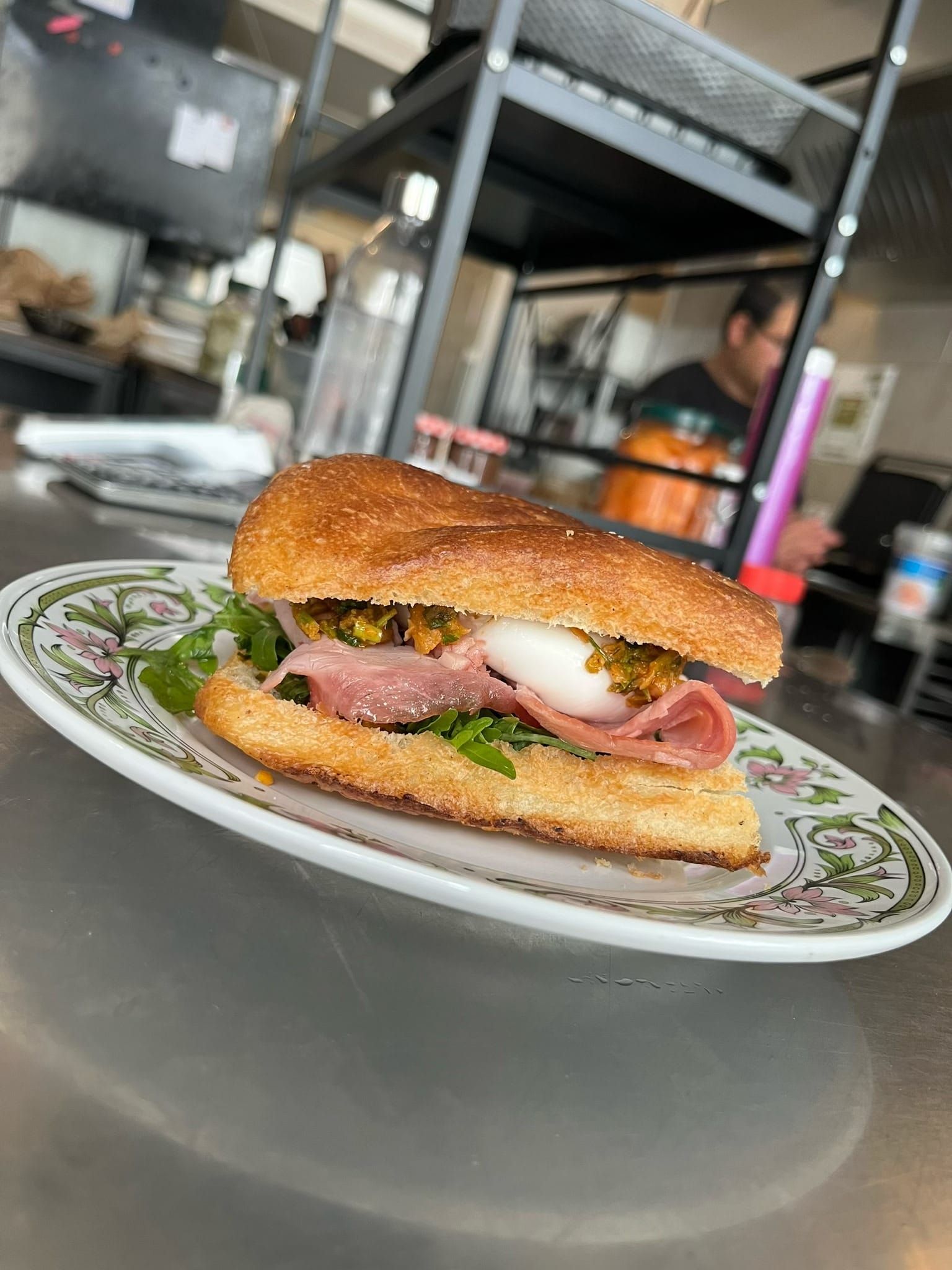
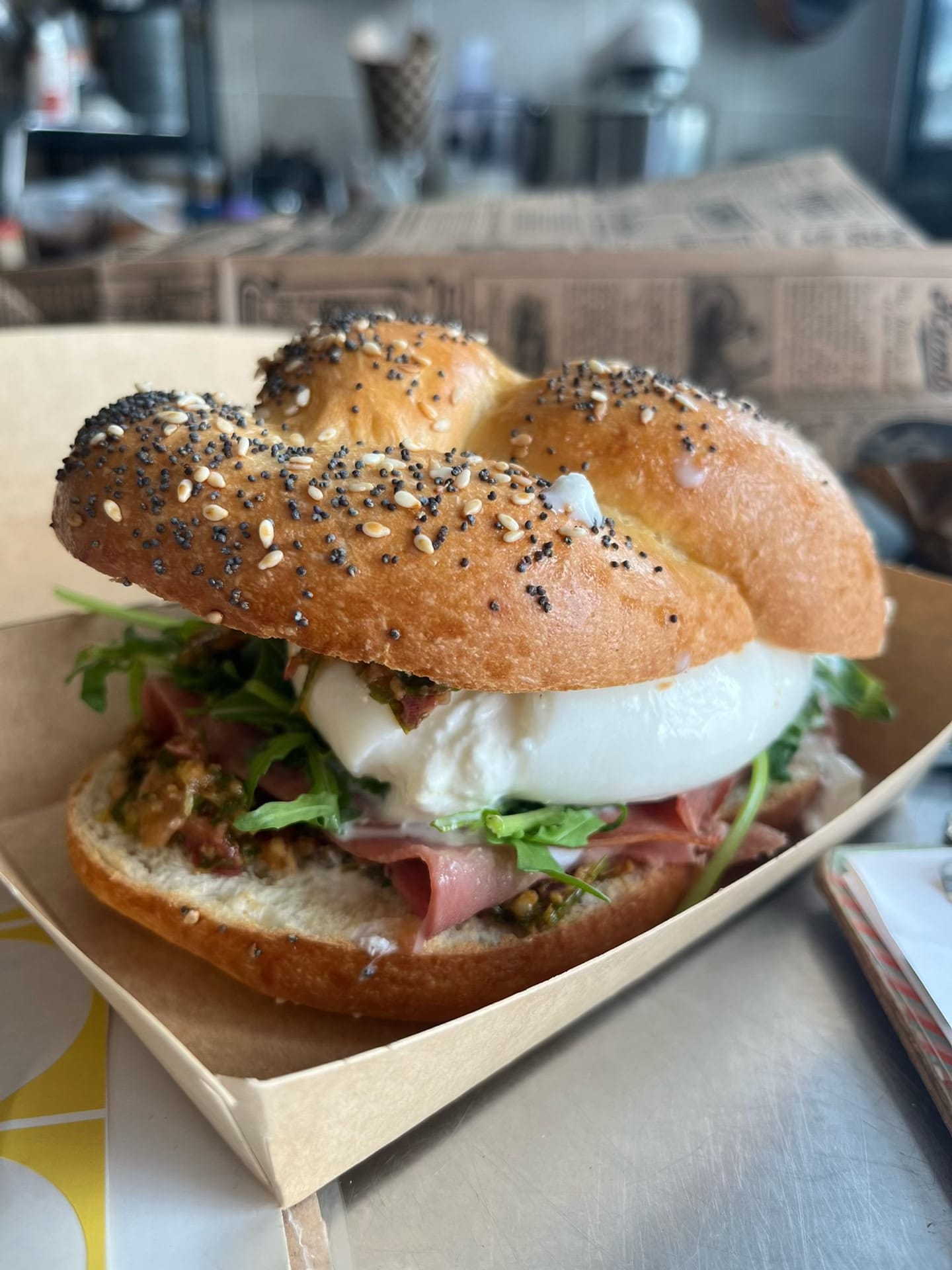
When meat or fish appear, it's often as a touch: a little smoked salmon on a bowl, ham in a sandwich, a garnish rather than a central cut. Quality over quantity.
The season decides
The menu follows the market and deliveries. It shifts week to week, ensuring fresh produce and sparing you the tedium of a card fixed all year.
Why does flexitarianism appeal so much?
The success of flexitarian restaurants comes first from their gathering power. As diets multiply and stiffen, choosing a flexitarian table means everyone finds something: the vegetarian colleague, the friend who wants fish, the fussy child and the food lover who won't go without. No imposed constraint, only open options.
Then there's taste. Plant cooking long suffered a reputation for dullness. Flexitarian restaurants did much to overturn it, showing that a well-handled vegetable dish — spices, fresh herbs, contrasting textures, careful cooking — rivals any meat plate. You don't eat flexitarian out of deprivation, but for pleasure.
Finally, there's the ethical and ecological dimension, ever more present in diners' choices. Cutting meat is one of the most effective ways to lighten your food footprint. Eating at a flexitarian restaurant lets you do that effortlessly and guilt-free, simply by enjoying a good meal. That balance of pleasure, conviviality and awareness is why flexitarianism is no longer a niche but a lasting trend.
Benefits for health and the planet
Eating flexitarian isn't only about taste or trend: it has real effects on the body and the environment. Three benefits recur most often.
A balanced diet
Giving more room to vegetables, pulses and whole grains, the flexitarian plate brings more fibre, vitamins and good nutrients while limiting the saturated fat of excessive meat.
A lighter footprint
Meat production is among the heaviest parts of our diet in resources and emissions. Cutting its share, even partly, meaningfully lowers the impact of our meals.
Lasting flexibility
Because it bans nothing, flexitarianism is easy to keep up over time. A diet you follow without frustration is one that lasts — and so one that truly counts.
None of these benefits requires an overhaul: it's the build-up of more plant-based meals, week after week, that makes the difference.
How to spot a good flexitarian restaurant?
As 'flexitarian' isn't a protected term, any venue can claim it. A few simple cues tell a genuinely committed table from an opportunistic label.
Accomplished plant dishes
In a real flexitarian table, meat-free options are complete, considered dishes, not a plate of vegetables on the side. If the only plant choice is a sad salad, be wary.
Home cooking and season
Cooking made on site, with seasonal produce and a shifting menu, is the best sign of seriousness. It guarantees freshness and a coherent approach.
Real flexibility
A good flexitarian restaurant lets you build: add a protein, remove an ingredient, adapt a dish. Listening to guests is at the heart of the flexitarian idea.
Overall consistency
Reusable containers, anti-waste cooking, produce from nearby artisans: real flexitarian tables often extend their philosophy beyond the plate.
Berchoux, a flexitarian restaurant in Montmartre
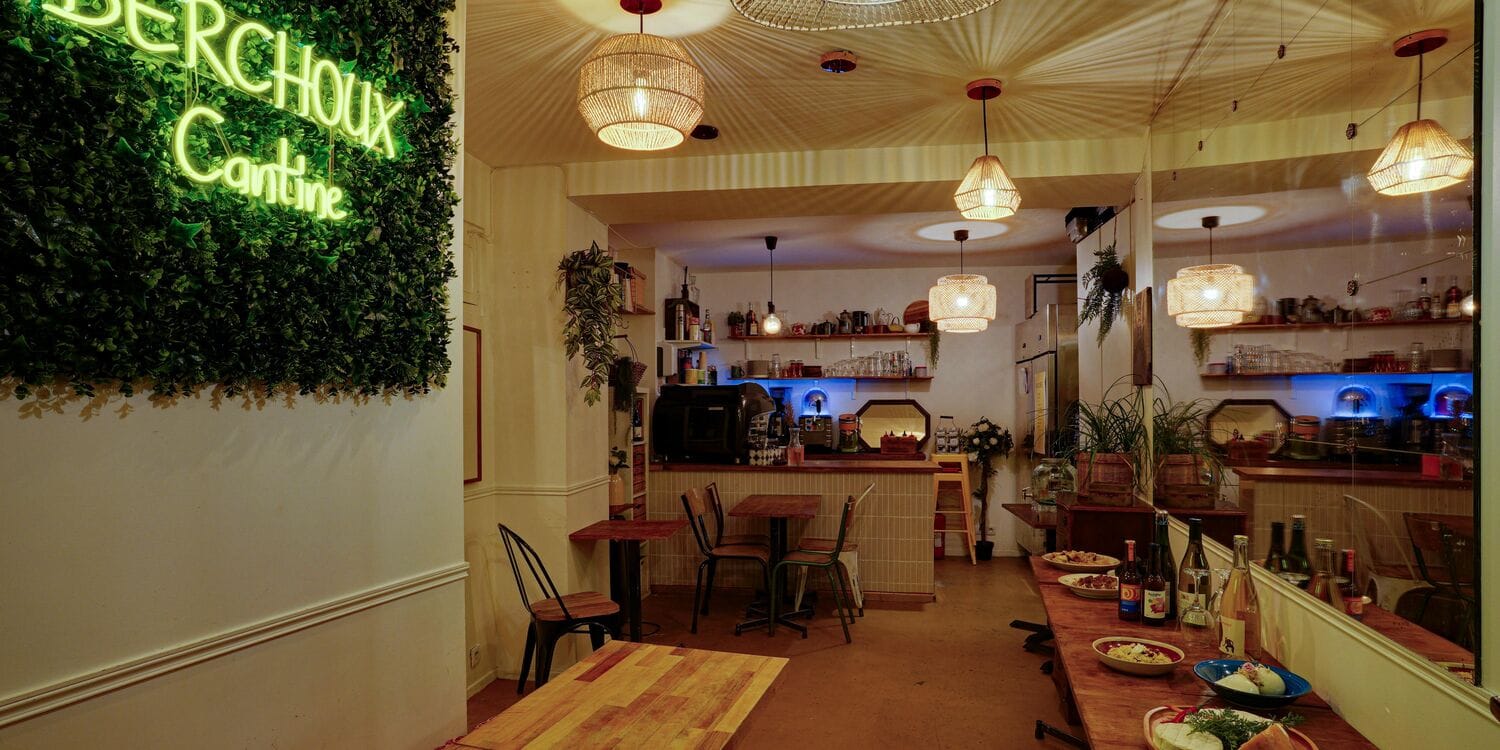
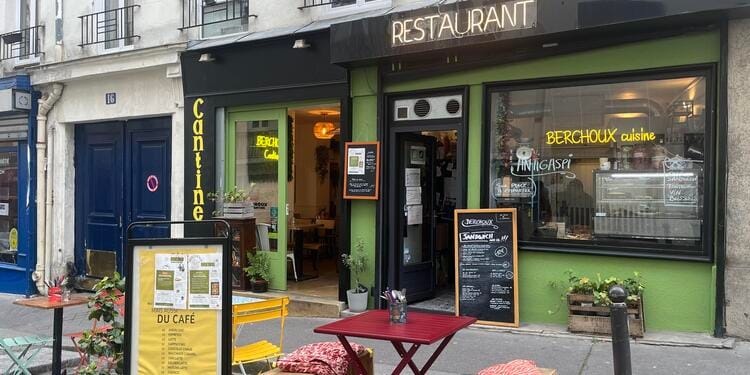
At 16 rue de la Fontaine du But, in the 18th arrondissement of Paris, Berchoux has embodied this flexitarian approach since opening in 2020. The menu puts plants forward — poke bowls, home-made sandwiches, daily sides, house desserts — without giving up a little salmon, ham or cheese for those who want it. Here, flexibility isn't a front: it guides every service.
Chef Julie Berchoux builds a daily menu at the pace of the market, in a home-made, anti-waste approach that naturally extends the flexitarian spirit. Steps from the Lamarck-Caulaincourt metro, the table feels like a careful neighbourhood canteen where you come for a light lunch, a bowl or a carrot cake, never feeling you're missing out. Here, flexitarianism is lived rather than proclaimed.
Eating flexitarian without missing out
One of the most stubborn misunderstandings about flexitarianism is that it's a diet of restriction. Quite the opposite. A well-designed flexitarian meal is generous, filling and satisfying: a bowl of grains, pulses and crunchy vegetables keeps you going, and a well-filled tartine or home-made sandwich sates as much as any meat dish. The difference isn't in quantity but in balance.
What really changes is discovery. By putting plants centre stage, flexitarian cooking rediscovers too-often-neglected ingredients: lentils, chickpeas, squash, fresh herbs, spices. You leave the 'meat-starch-veg' routine for more varied, colourful, lively plates. Far from a deprivation, flexitarianism is an opening — a wider way of eating, not a narrower one.
Adopting flexitarianism day to day
Becoming flexitarian needs no membership card or sudden sacrifice. A few simple habits tip your diet towards more plants, at your own pace.
Start with one meal
No need to change everything at once. One or two fully plant-based meals a week is an easy start that grows naturally as you take to it.
Lean on pulses
Lentils, chickpeas, beans: filling, protein-rich and cheap, they replace meat in many dishes without any special cooking effort.
Choose quality
Eating less meat lets you pick better when you do: better raised, tastier, bought from a trusted artisan rather than by volume.
Enjoy it out
Trying a flexitarian table is the best way to be convinced. You'll find ideas and pairings that make you want to repeat the experience at home.
FAQ
Frequently asked questions about flexitarian restaurants
What is a flexitarian restaurant in one sentence?
It's a restaurant whose cooking puts plants first — vegetables, grains, pulses — while keeping, occasionally and as an accent, a little quality meat or fish. It's the balance between a classic table and a vegetarian one.
What's the difference between flexitarian and vegetarian?
A vegetarian excludes all animal flesh (meat and fish). A flexitarian rules out nothing: they eat mostly plant-based but occasionally allow meat or fish. The difference is one of proportion, not prohibition.
Can you eat meat in a flexitarian restaurant?
Yes. A flexitarian restaurant offers meat or fish, often as a touch rather than the plate's centre, alongside many plant options. That flexibility lets everyone build their meal as they wish.
Is a flexitarian restaurant suitable for vegetarians?
Absolutely. As plants are put forward, a vegetarian guest easily finds complete, varied dishes rather than a side salad. Flexitarian tables are designed to bring different dietary expectations together.
Is flexitarianism better for your health?
By giving more room to vegetables, pulses and whole grains, a flexitarian diet brings more fibre and nutrients and limits excess saturated fat. Since it bans nothing, it's also easier to keep up over time.
Is Berchoux a flexitarian restaurant?
Yes. In Montmartre (Paris 18), Berchoux has offered home-made cooking since 2020 where plants lead, with a market-driven daily menu and an anti-waste approach, while keeping a little salmon, ham or cheese for those who want it.
Going further
Planning a reception and after cooking that brings people together? Discover our restaurant flexitarien c est quoi offer, available as catering with many plant options for all your guests.