Vegetarian vs flexitarian: two ways to eat less meat
Published on
They're often named in the same breath, but the difference between vegetarian and flexitarian is real: one excludes all animal flesh, the other cuts it back without ruling it out. Here is what each one really eats, what brings them together and what sets them apart, and how we cook that balance at Berchoux, in Montmartre, since 2020.
The essentials
The difference between vegetarian and flexitarian comes down to one thing: the line. A vegetarian fully excludes meat and fish while keeping eggs and dairy. A flexitarian rules out nothing: they eat mostly plant-based but occasionally allow a little quality meat or fish. The first rests on a clear rule, the second on a flexible proportion. A vegetarian never crosses the line; a flexitarian can eat vegetarian five days out of seven and then enjoy a meat dish at the weekend. At Berchoux, in Paris 18, the menu puts plants first while welcoming vegetarians and flexitarians alike.
Vegetarian vs flexitarian: the answer in one minute
If you remember one thing, let it be this: vegetarianism is an exclusion, flexitarianism is a dosage. A vegetarian decides, once and for all, to stop eating meat and fish — a clear rule, no exceptions, kept at every meal. A flexitarian sets no ban: they simply choose to eat plant-based most of the time, keeping the freedom to add an animal protein now and then.
Both share the same starting point — reducing animal products — but answer it differently. The vegetarian draws a line and won't cross it. The flexitarian moves a slider, adjusting it to taste, health or occasion. Both eat plenty of vegetables; only the vegetarian commits to eating nothing else.
This nuance has very real consequences, day to day and at the restaurant. Knowing where the line sits avoids misunderstandings and helps you pick the approach that fits you.
What is vegetarianism, exactly?
Vegetarianism excludes all animal flesh: no meat — red, white, charcuterie — no fish, no seafood. A vegetarian, however, usually keeps products that come from animals without killing them: eggs and dairy, notably cheese, butter and yoghurt. That's what sets a vegetarian apart from a vegan, who refuses every animal product.
The vegetarian approach rests on a stable, exception-free rule: animal flesh doesn't enter the plate, full stop. That clarity is both its strength — easy to state and to keep — and its constraint, since it means checking what's in a dish, as a meat stock or gelatine can slip in where you don't expect it.
Motivations vary: refusing to kill animals, ecological concern, health or simply a taste for plant cooking. Either way, the plate is the same: vegetables, grains, pulses, eggs and dairy make up every meal — a richer cuisine than many imagine, when it's well thought out.
What is flexitarianism, exactly?
'Flexitarian' is a portmanteau of 'flexible' and 'vegetarian'. It describes someone whose diet is mostly plant-based but who doesn't rule out, occasionally, a little meat or fish. Flexitarianism isn't a strict diet with banned foods: it's an orientation, a lasting lean towards plants, embraced without rigidity.
What defines a flexitarian isn't what they exclude but the proportion. Where the vegetarian sets a line, the flexitarian sets a slider: plant-based most of the time, animal now and then and in small amounts. A flexitarian can eat vegetarian Monday to Friday and enjoy fish or meat at the weekend without ever feeling they've 'cheated', because flexibility is built into the definition.
This approach appeals more and more precisely because it's easy to keep up: no sudden sacrifice, no membership card, no guilt over a lapse. You go at your own pace, reduce without removing, and favour quality over quantity when you do eat meat. That's the flexible philosophy Berchoux stands for, as we explain in our article on what a flexitarian restaurant is.
Vegetarian or flexitarian: the point-by-point comparison
To grasp the difference, nothing beats placing them side by side. Three criteria say it all: what's excluded, the spirit of the approach and day-to-day flexibility.
In short: the vegetarian excludes, the flexitarian doses. Both put plants first; only the second keeps the door open to a little animal protein.
Vegan, pescatarian, flexitarian: don't mix them up
Vegetarian and flexitarian aren't alone. Three other terms recur and cause confusion. Here's how they line up.
The vegan
Goes further than the vegetarian: excludes every animal product, including eggs, milk, cheese and even honey. The strictest of the group.
The pescatarian
Eats no meat but keeps fish and seafood. Sits between the vegetarian and the flexitarian, with one accepted exception: the sea.
The flexitarian
The most flexible of all: mostly plant-based, ruling out neither meat nor fish, simply eating little of it. A bridge between the classic plate and the vegetarian one.
So these approaches sit on one scale, from strictest to most flexible: vegan, then vegetarian, then pescatarian, then flexitarian. At each step, the line with animal products softens.
Why choose one or the other?
Neither approach is 'better' in the absolute: it depends on your motivations and lifestyle. Three arguments weigh most in the choice.
Conviction
If your choice rests on a firm refusal to eat animal flesh — on ethical or welfare grounds — vegetarianism, with its clear rule, fits that commitment better.
Ease of keeping up
If you want to cut meat without treating every meal as a constraint, flexitarianism is easier to keep up. A diet without frustration is one you actually stick with.
The impact you want
For health and the planet, both point the right way: more fibre and plants, less carbon. The vegetarian maximises that effect; the flexitarian gets most of it while staying flexible.
Many start out flexitarian, then drift towards vegetarianism as they take to plant cooking — or stay flexitarian for life, because that balance suits them perfectly.
What really changes on the plate
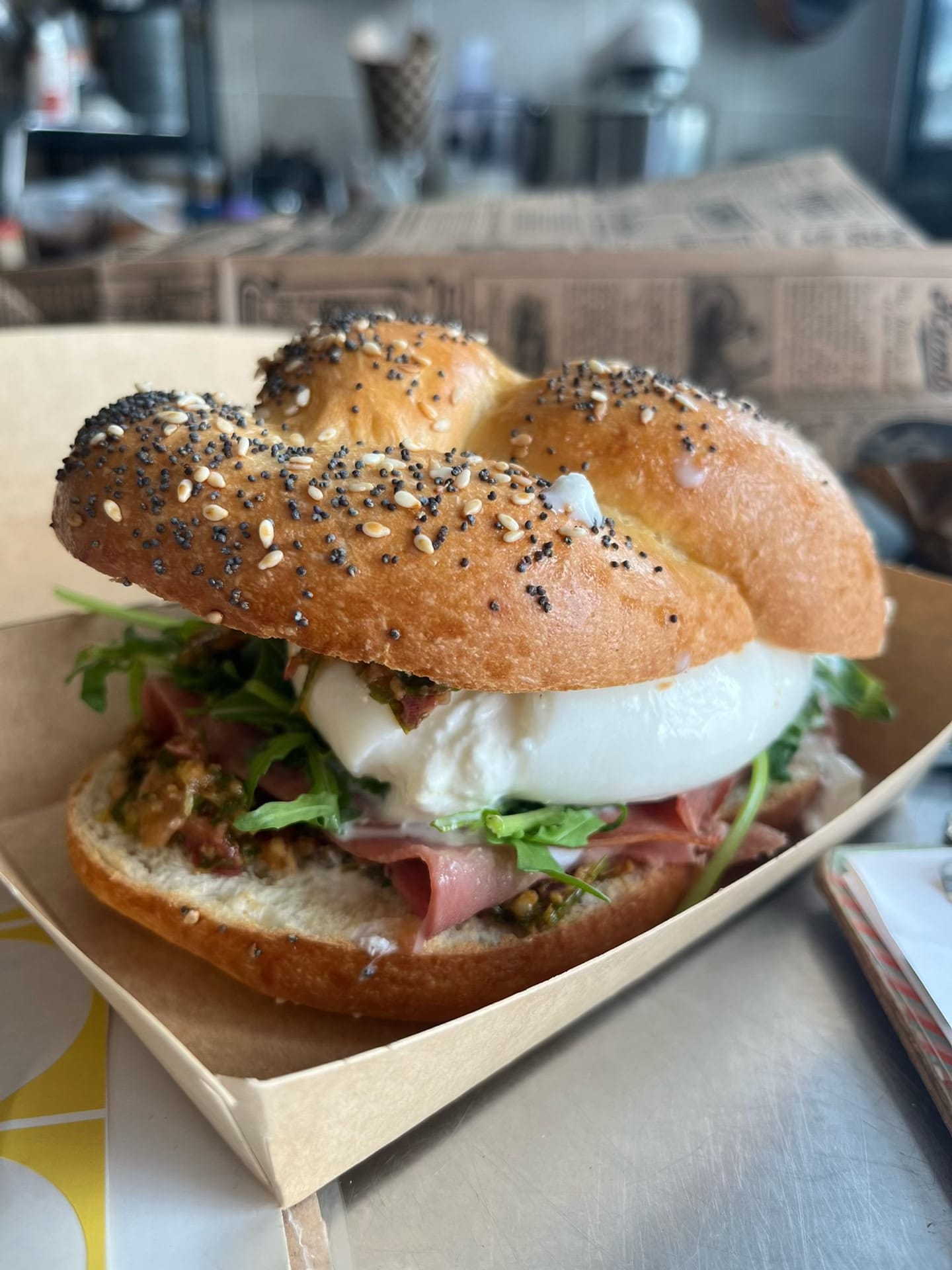
On paper, the difference fits in a sentence. On the plate, it shows in the details. For a vegetarian, a pasta dish is built without lardons or meat ragù: a tomato-basil sauce, roasted vegetables or pesto instead. For a flexitarian, the same dish might, now and then, welcome a little ham or fish — but never as the heart of the meal.
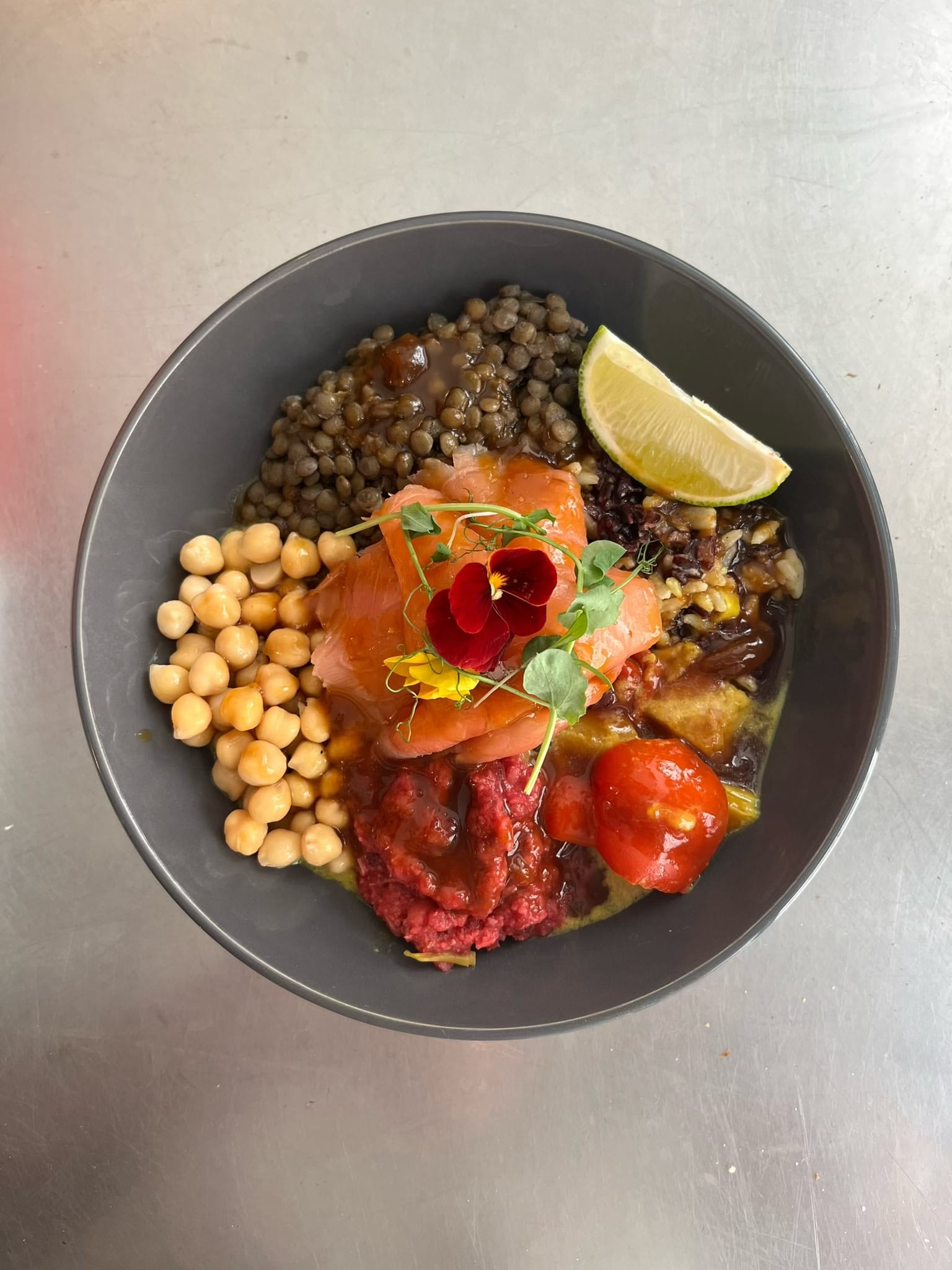
The common ground is striking: in both cases, the plate leans on vegetables, grains and pulses. A bowl of rice, lentils and crunchy vegetables suits vegetarian and flexitarian alike; you just add, or not, a touch of smoked salmon. That's what makes well-designed cooking so practical: the same base plate serves both, with a simple tweak.
That's where the pleasure lies too. Plant cooking was long dismissed as deprivation. Not so: a well-handled plant dish — spices, fresh herbs, contrasting textures, careful cooking — satisfies as much as any meat plate. Vegetarian or flexitarian, you don't eat worse; you eat differently, often with more variety and colour.
At the restaurant: how to find your way?
Vegetarian or flexitarian, the real question when picking a table is the same: will I eat well? A few simple cues help.
Actually read the menu
A vegetarian checks there are complete meat-and-fish-free dishes, not just a side salad. A flexitarian likes having the choice between plant options and dishes with a little animal protein.
Watch for hidden ingredients
Meat stock, gelatine, rennet in some cheeses: a seemingly vegetarian dish isn't always. When in doubt, ask — a good table answers easily.
Bet on home cooking
Cooking made on site, with seasonal produce, almost always offers more suitable options and real quality. The best sign a table takes both approaches seriously.
Favour flexibility
A restaurant that lets you build — add a protein, remove an ingredient, adapt a dish — suits vegetarians and flexitarians alike. That's the mark of a truly open table.

Berchoux, a table that welcomes both
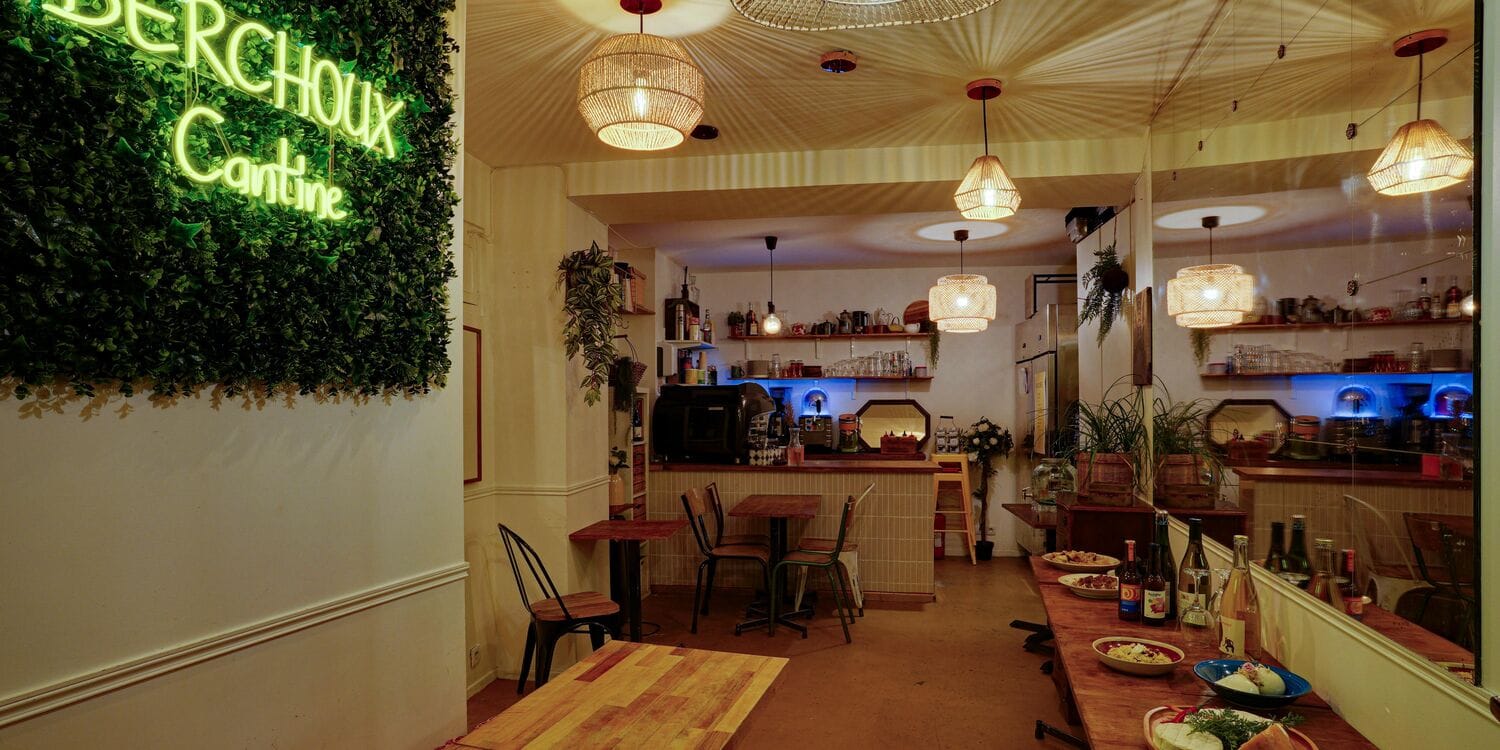
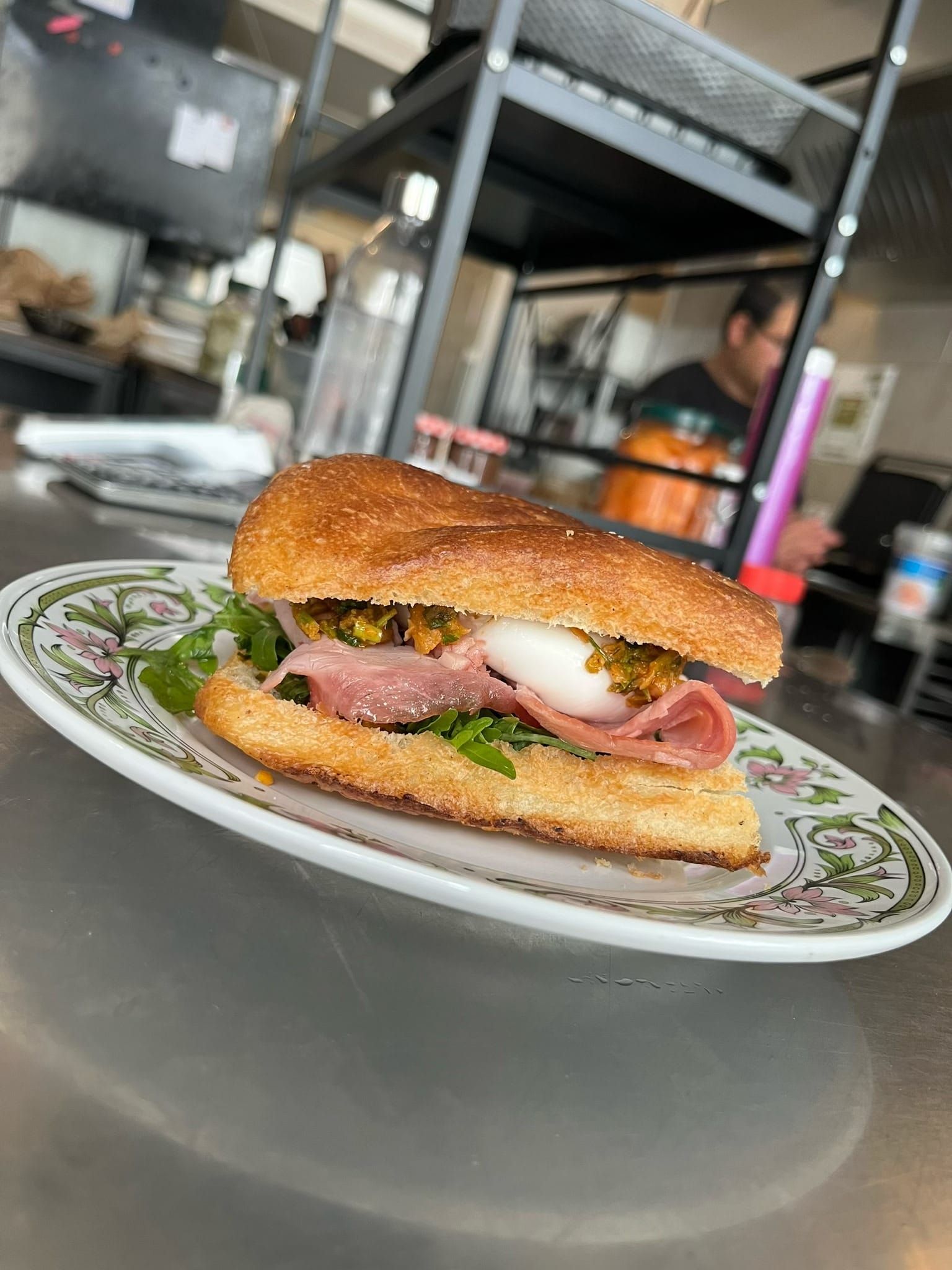
At 16 rue de la Fontaine du But, in the 18th arrondissement of Paris, Berchoux is a flexitarian table built to bring people together. The menu puts plants forward — poke bowls, home-made sandwiches, daily sides, house desserts — while keeping, for those who want it, a little salmon, ham or cheese. A vegetarian easily finds complete, generous dishes; a flexitarian builds their meal exactly as they like.
Chef Julie Berchoux builds a daily menu at the pace of the market, in a home-made, anti-waste approach that naturally extends this openness. Steps from the Lamarck-Caulaincourt metro, the table feels like a careful neighbourhood canteen where you come for a light lunch, a bowl or a carrot cake, never feeling you're missing out — whatever box you fall into.
Moving from vegetarian to flexitarian (or the reverse)
Nothing is fixed: you can drift from one approach to the other, both ways, as your tastes and life change. A few cues to move ahead calmly.
Go step by step
Towards vegetarianism, start with one or two fully plant-based meals a week, then widen. To stay flexitarian, just reduce, without aiming for absolute zero.
Lean on pulses
Lentils, chickpeas, beans: filling, protein-rich and cheap, they replace meat in many dishes, vegetarian or flexitarian.
Mind the balance
When cutting meat sharply, vary your protein sources and, if unsure, ask for advice: a well-built diet stays balanced, whichever approach you choose.
Try it out
Eating out at a flexitarian table is the best way to get a feel. You'll find pairings and plant cooking that make you want to repeat the experience at home.
FAQ
Frequently asked questions about vegetarian vs flexitarian
What's the difference between vegetarian and flexitarian in one sentence?
A vegetarian fully excludes meat and fish, while a flexitarian eats mostly plant-based but occasionally allows a little meat or fish. It's a matter of the line: the vegetarian never crosses it, the flexitarian adjusts a slider.
Can a flexitarian eat meat?
Yes, and that's what sets them apart from a vegetarian. A flexitarian rules out neither meat nor fish: they simply eat little of it, occasionally and often favouring quality. The approach rests on reduction, not exclusion.
Do vegetarians eat eggs and cheese?
Yes. Vegetarianism excludes animal flesh — meat and fish — but allows products from animals that aren't killed, such as eggs, milk and cheese. That's what sets it apart from veganism, which refuses every animal product.
Is flexitarianism a real diet?
It's not a strict diet with banned foods, but rather a food orientation towards plants, embraced without rigidity. Its strength is being easy to keep up over time, since it imposes no ban or frustration.
Which approach is better for health and the environment?
Both point the right way: more vegetables and fibre, less saturated fat and a smaller carbon footprint. Vegetarianism maximises the effect by removing animal flesh, while flexitarianism gets most of it while keeping flexibility.
Can you eat well as both vegetarian and flexitarian at the same restaurant?
Yes, as long as the table puts plants forward and lets you build. At Berchoux, in Montmartre, the menu offers complete meat-free dishes for vegetarians and options with a little animal protein for flexitarians, all home-made.
Going further
Planning a reception mixing vegetarians, flexitarians and food lovers of every kind? Discover our difference vegetarien flexitarien offer, available as catering with many plant options for all your guests.