Julie Berchoux's journey, from starred kitchens to Montmartre
Published on
Thirty years in the kitchens of the finest houses, then a flexitarian, anti-waste neighbourhood table on rue de la Fontaine du But. A look back at the path of the chef who gave her name to Berchoux.
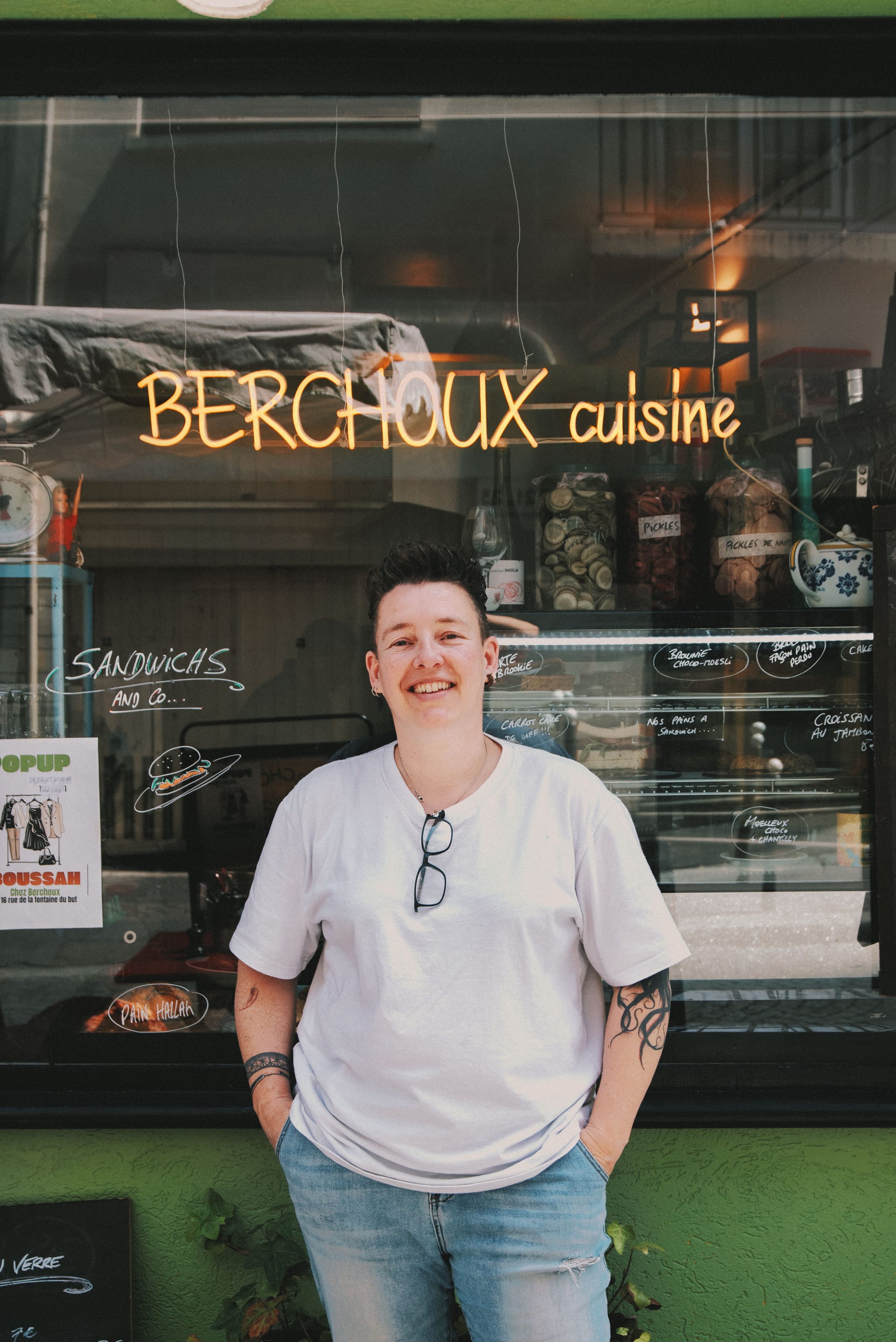
The essentials
Julie Berchoux's story is thirty years in starred kitchens — Robuchon, Ducasse, Taillevent, Fauchon — before opening her own table in 2020 at 16 rue de la Fontaine du But, in the 18th arrondissement of Paris. There she serves flexitarian, home-made and anti-waste cooking, with a daily menu that follows the morning market. Her « world famous » carrot cake and a 4.7/5 Google rating across 298 reviews have made Berchoux a well-known Montmartre address.
Who is Julie Berchoux, the chef of the 18th
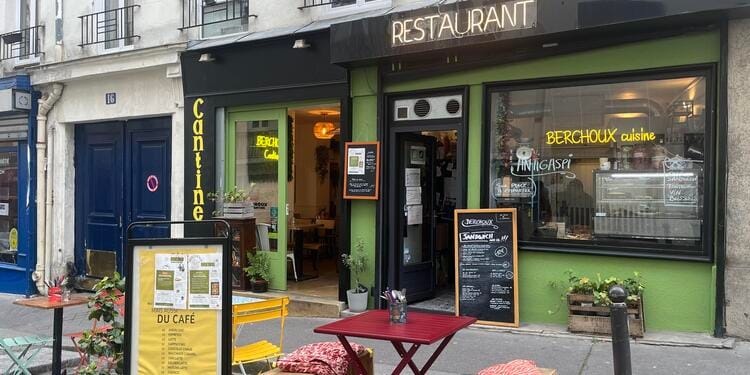
Julie Berchoux's story starts with an uncommon path: thirty years in starred kitchens before settling into a neighbourhood table at 16 rue de la Fontaine du But, in the 18th arrondissement of Paris. A few minutes from the Lamarck-Caulaincourt metro, she has made Berchoux a flexitarian, home-made and anti-waste restaurant, where the food stays deliberately accessible.
The restaurant carries her name, and she has signed its cooking every day since 2020. Julie Berchoux is no distant figure: you'll find her behind the stove, putting together a daily menu that changes with each morning's deliveries. This article looks back at her journey, her way of cooking and the ethos that guides her Montmartre table.
What stands out is the consistency between the craft learned in great houses and the deliberate simplicity of the neighbourhood. Fine dining left her with an intact demand for quality; Montmartre gave her the freedom to express it differently, close to the regulars.
Thirty years in starred kitchens
Before opening her own address, Julie Berchoux spent thirty years in starred kitchens, alongside houses that shaped French gastronomy. Those years in demanding brigades forged her rigour, her sense of produce and her technical mastery — qualities she now brings to a simpler, more everyday kind of cooking.
Those three decades explain much of what ends up on the plate at Berchoux. The chef chose to leave the starred world to cook differently, without giving up her standards: fresh produce, home cooking, constant attention to taste and to the right cooking point. That experience sets her story apart from that of a simple neighbourhood restaurateur.
A starred career is easy to underestimate: the long days, the discipline of the mise en place, the geste repeated until it is perfect. Julie Berchoux went through that demanding apprenticeship before transposing it, in her own way, into a neighbourhood canteen open to everyone.
Robuchon, Ducasse, Taillevent, Fauchon: the houses of her journey
Julie Berchoux's story was written in some of the most respected houses of French gastronomy. Each left a mark you can still sense, subtly, in her cooking today.
Robuchon
The pursuit of achieved simplicity: few ingredients, perfectly mastered, and absolute respect for the produce.
Ducasse
A taste for true produce and an early attention to sourcing, still shaping how she builds the morning market.
Taillevent
The rigour of service and the demand for consistency — a dish should be as good on Tuesday as on Saturday.
Fauchon
A sense of indulgence and pastry, echoed today in the carrot cake that became the house signature.
The turning point: opening Berchoux in 2020
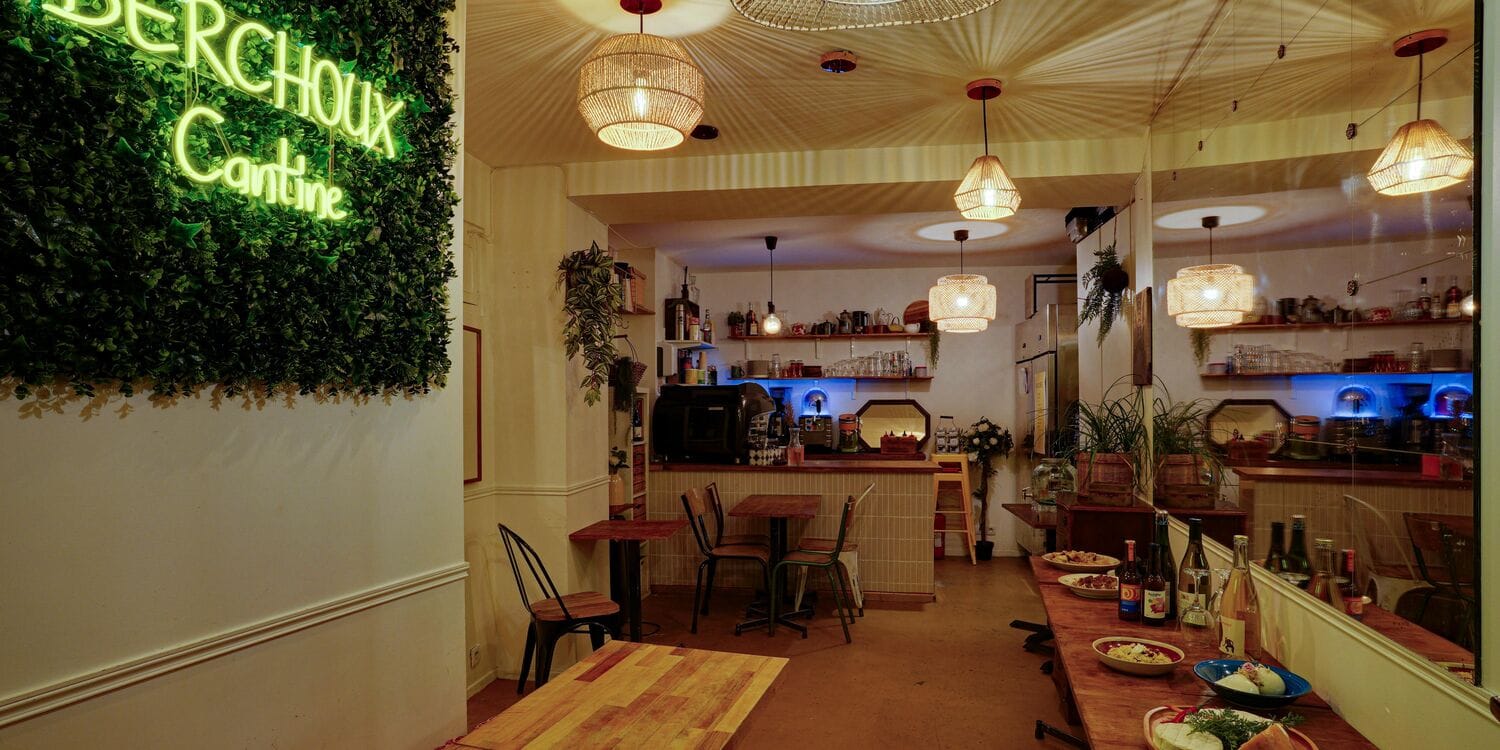
After thirty years running other people's kitchens, Julie Berchoux took the leap in 2020: opening her own table, under her name, in the Lamarck-Caulaincourt area. The timing was anything but easy, yet the project was ready, driven by the wish to cook freely and reconnect directly with guests.
Choosing Montmartre was no accident. The lively, down-to-earth 18th arrondissement matched the idea of a neighbourhood table open to all, far from the intimidating codes of fine dining. On rue de la Fontaine du But, the chef imagined a warm, canteen-like spot you step into for a quick lunch or a slower moment alike.
Flexitarian, home-made cooking
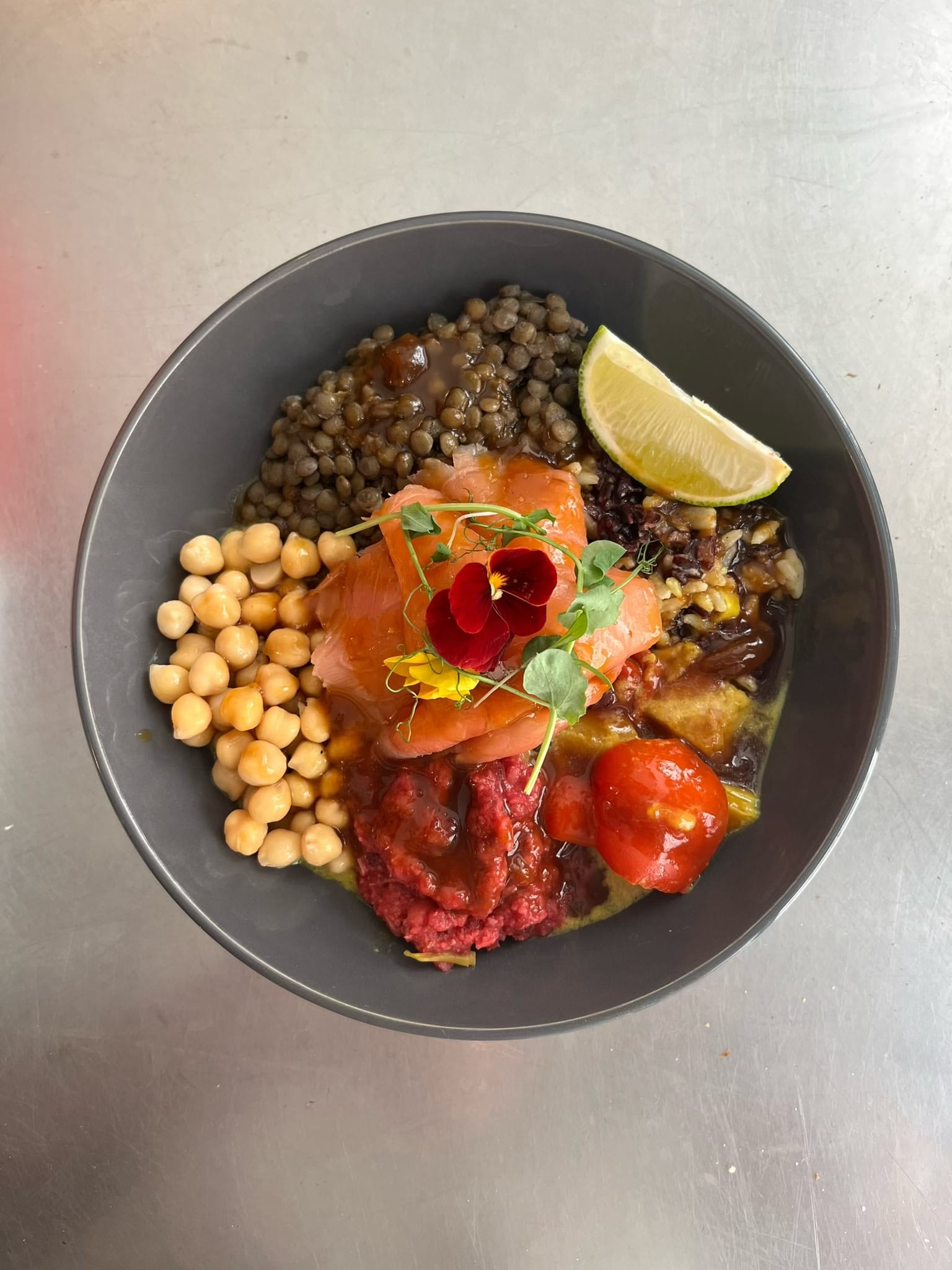
At Berchoux, Julie Berchoux chose flexitarian, fully home-made cooking. Vegetables take centre stage, without excluding meat or fish lovers. Everything is prepared on site from what the market offers each morning, giving a living menu that shifts with the seasons and deliveries.
That approach carries through to the everyday options, kept accessible: a full lunch menu, home-made sandwiches, sweet treats. The chef even shares her daily menu live on Instagram, where regulars discover each morning what's cooking. It's neighbourhood food, guided by a hand trained in the greatest houses.
At Berchoux, flexitarian cooking isn't a rule on display but a natural balance. Guests aren't asked to give anything up: vegetables simply take the lead, prepared with enough care to stand on their own, while meat and fish remain available but rarely centre stage. That quiet choice is also key to the anti-waste ethos — fewer fragile products, more seasonality, a menu that follows what the land gives at the right moment.
A committed anti-waste approach since 2020
The other hallmark of Julie Berchoux's story is a concrete anti-waste commitment, embraced since opening. The rule is simple: cook what the market offers in the morning, and let nothing go to waste. That mindset plays out every day.
Cooking the surplus
Unused produce becomes the dish of the day rather than being thrown away: the menu adapts to what's left, never the other way round.
Reducing packaging
Reusable containers cut down on disposables, both for takeaway and in the kitchen.
Serving the neighbourhood
A small library of books at a symbolic price and a specialty bread from Bun's Bakery root the table in its surroundings.
These modest but consistent gestures reflect the chef's vision: a responsible neighbourhood table where quality goes hand in hand with common sense rather than waste.
The signature carrot cake
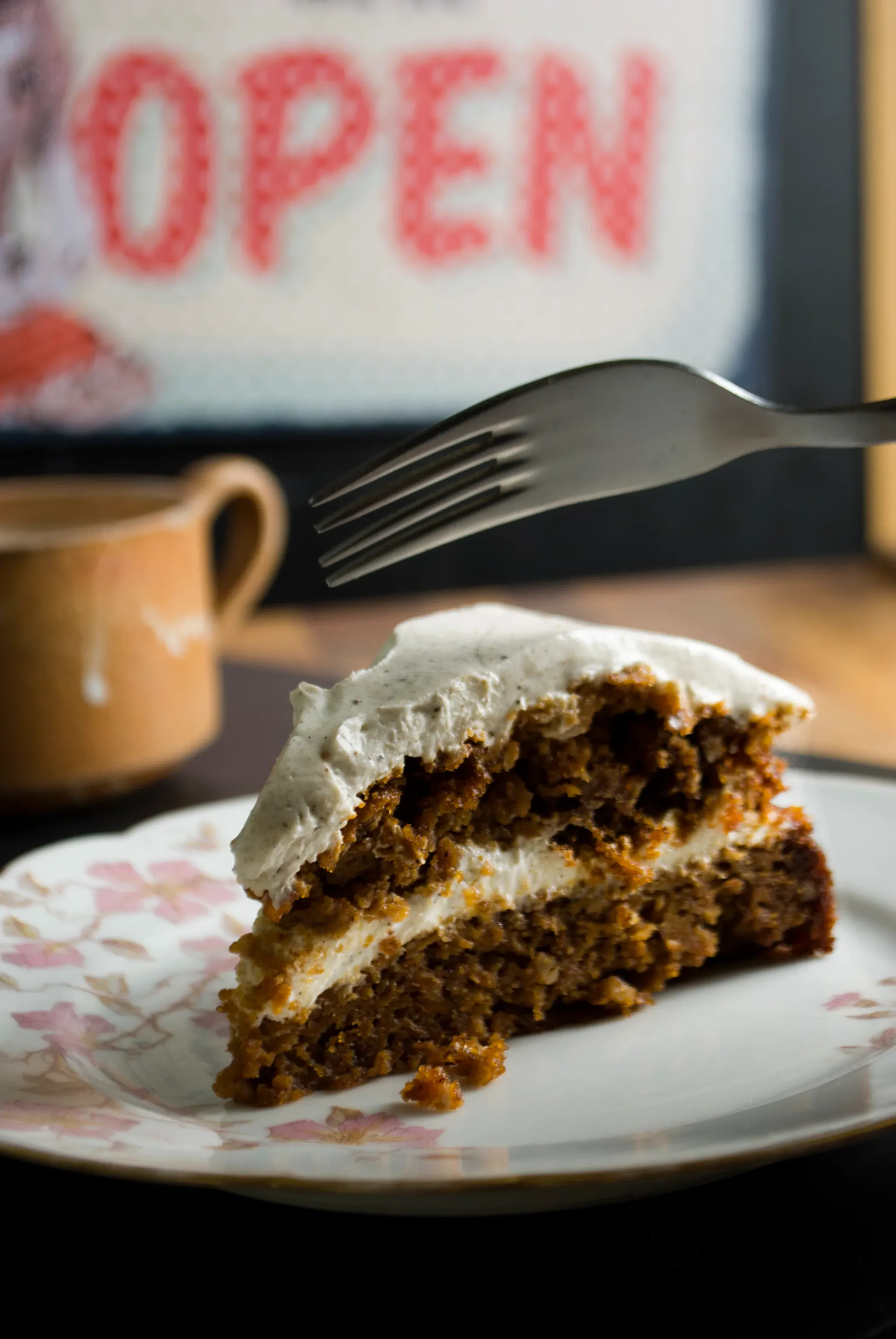
You can't talk about Julie Berchoux's story without her carrot cake, now the house signature. Described as « world famous », it's regularly cited on Google, TripAdvisor and even in the English-language press. For many visitors passing through Montmartre, it's reason enough to step inside.
This carrot cake sums up the chef's spirit: a simple classic, made with care and consistency. Behind its success lies the same standard learned in starred kitchens — the worked icing, the balance of spices, batch after batch — applied this time to an everyday pastry anyone can enjoy.
A daily menu at the pace of the market
Every morning begins at the market. That's where the daily menu is born, built around seasonal produce and deliveries. This way of working, inherited from great houses attentive to sourcing, gives the menu a freshness that changes week by week.
For regulars, that rotation is an invitation to return: you never quite know what you'll find, but you know it will be seasonal and home-made. The chef often announces her dishes on Instagram, extending the direct link that gives a neighbourhood table its charm.
Working this way, without a fixed menu, demands an organisation few restaurants take on. You have to cook what arrives, improvise a side, reinvent a dish from one day to the next — exactly the kind of agility that thirty years in starred kitchens instilled in Julie Berchoux. The result, in the dining room, is a table that never quite repeats itself.
A recognised neighbourhood table
Julie Berchoux's story also reads in the loyalty of her guests. The table holds a 4.7/5 Google rating across nearly 298 reviews — rare devotion for an address opened in 2020. Neighbourhood regulars, lunchtime workers and Montmartre visitors find sincere cooking and a warm atmosphere.
This recognition is no accident: it carries, on the scale of a neighbourhood canteen, the standard built over three decades in starred kitchens. Perhaps that is the real achievement of her journey: making a long-exclusive craft accessible on a Montmartre street corner.
FAQ
Frequently asked questions about Julie Berchoux's story
Who is Julie Berchoux, the chef?
Julie Berchoux is the chef and founder of the Berchoux restaurant, at 16 rue de la Fontaine du But, in the 18th arrondissement of Paris. With thirty years in starred kitchens, she has served flexitarian, home-made and anti-waste cooking there since 2020, steps from the Lamarck-Caulaincourt metro.
Which houses did Julie Berchoux work in?
Before opening her table, Julie Berchoux spent thirty years in starred kitchens, alongside houses such as Robuchon, Ducasse, Taillevent and Fauchon. That experience feeds her neighbourhood cooking today.
Why did Julie Berchoux leave fine dining?
After thirty years in brigades, the chef wanted to cook more freely and reconnect directly with guests. Opening Berchoux in 2020, she transposed her standards into an accessible neighbourhood table rather than the starred world.
What kind of cooking does the chef offer?
Flexitarian, home-made cooking that puts vegetables first without excluding meat or fish. The daily menu changes with the morning market and the seasons.
What does her anti-waste approach involve?
Since 2020, Julie Berchoux cooks what the market offers in the morning and turns surplus into the dish of the day rather than throwing it away. The approach also means less packaging and strong local roots.
Where can I taste Julie Berchoux's cooking?
At the Berchoux restaurant, 16 rue de la Fontaine du But, in the 18th arrondissement of Paris, near the Lamarck-Caulaincourt metro. The table holds a 4.7/5 Google rating across 298 reviews.
Going further
Want the chef for your event? Discover the parcours julie berchoux through our catering offer.