Eco-friendly, zero-waste catering for a corporate cocktail in Paris: how to choose well
Choosing a corporate caterer in Paris is not only about the menu. Here is a practical scorecard and the right questions to ask, to tell a real zero-waste commitment from a mere marketing claim.

Eco-friendly corporate cocktail: what "zero waste" really means
At a corporate event, zero waste is not just a green logo on a quote. It is a way of organising the whole service, from sourcing ingredients to what happens to the leftovers, so that nothing edible ends up in the bin. Applied to a cocktail, it means quantities calibrated as tightly as possible, produce used in full, and a second life planned for whatever is not served.
The nuance matters, because the word "eco-friendly" is not protected: any provider can display it. For an events manager, the point is therefore to check the evidence behind the promise, rather than trusting the vocabulary. That is exactly what this guide is for.
The scorecard: 6 criteria to compare caterers
Before comparing two quotes, compare the practices. These six criteria let you objectively assess a caterer's zero-waste commitment for your corporate cocktail.
Local, seasonal sourcing
Seasonal produce, sourced as close as possible, limits transport and supports short supply chains. Ask about the origin of the key ingredients.
Handling of unsold food
What happens to unserved portions? Donation, redistribution, reuse: a real commitment shows in a clear answer, not in improvisation.
Reusable containers
Reusable tableware and containers, no single-use plastic: the way food is served says a lot about the provider's real approach.
Accurate quantities
Over-ordering is the leading cause of waste at events. An experienced caterer calibrates quantities to the format and duration, without excess.
Nearby transport
A kitchen close to the venue reduces travel and ensures controlled freshness right up to service.
Transparency on origin
A provider confident in its approach documents its suppliers and choices without evasion. Opacity, on the other hand, should raise questions.
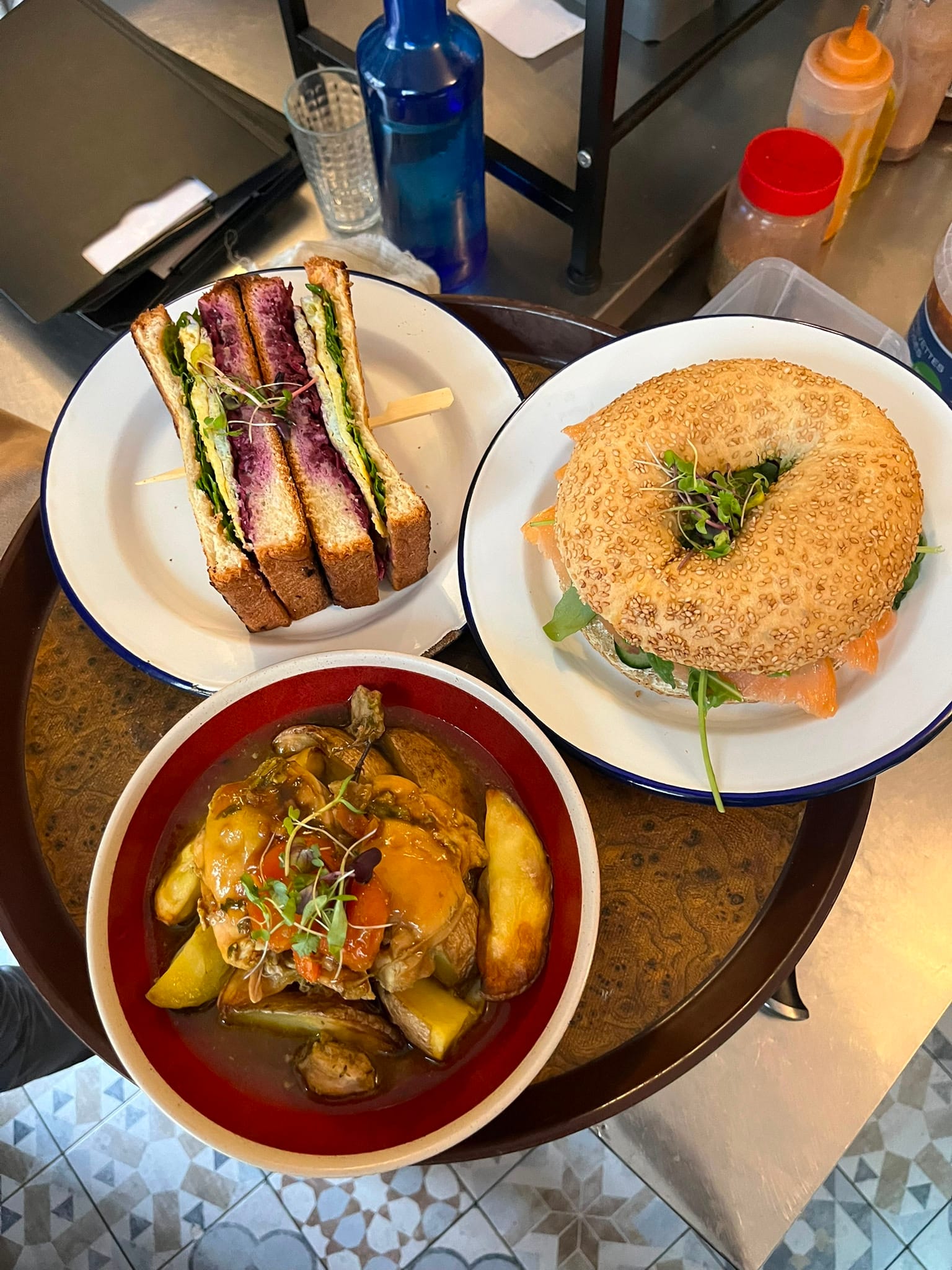
Cocktail, platters or buffet: which format limits waste best
The service format directly affects the volume of leftovers. For a corporate cocktail, three options come up most often, and they are not equal from a zero-waste standpoint.
The idea is not to impose a single format, but to pick the one that fits your guest count, the duration and the time of day, to avoid surplus.
The cocktail reception
Individual portions and finger food let you fine-tune quantities and limit large trays started then thrown away, provided attendance is estimated well.
Platters
Handy for a meeting or a team lunch, they frame portions per person and reduce uncertainty about volumes.
The buffet
Convivial, but more exposed to waste if attendance is overestimated: it calls for measured plating and gradual restocking rather than a massive spread from the outset.
The 7 questions to ask before booking
A simple checklist to keep at hand when comparing providers. The answers of a truly zero-waste caterer are precise, not evasive.
- 1
Where does your produce come from?
A local commitment is checked on the main ingredients, not just on a marketing brochure.
- 2
What do you do with unsold food?
Donation, reuse, transformation: the answer should be concrete and routine.
- 3
How do you calculate quantities?
A professional adapts portions to the format and duration, without a systematic safety margin.
- 4
Do you use reusable containers?
No single-use plastic is a strong marker of a serious approach.
- 5
Is your produce seasonal?
Seasonality limits transport and improves both taste and footprint.
- 6
Do you offer vegetarian options?
A generous plant-based share reduces impact and welcomes more guests.
- 7
How far is your kitchen from the venue?
Proximity drives freshness and cuts travel on the day of the event.
Berchoux's in-house zero-waste approach
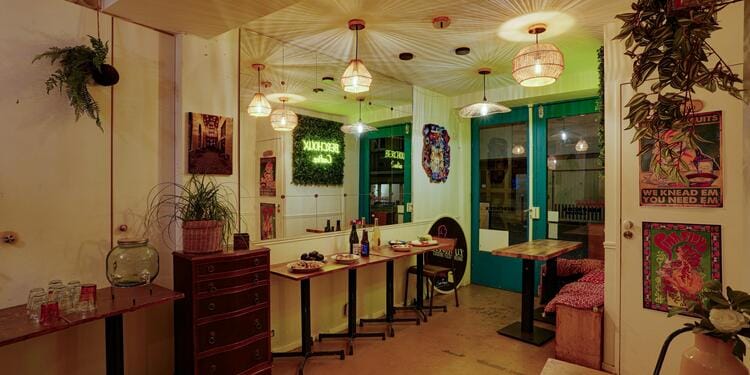
At Berchoux, zero waste is not a last-minute option: it is the starting point. Our in-house kitchen in Montmartre works with seasonal produce and designs every service to limit leftovers, from calibrating quantities to reusing whatever can be reused.
For a corporate cocktail, buffet or platters in Paris, we build a bespoke proposal, low on waste and generous on flavour. The approach extends naturally toward our dedicated offers.
Frequently asked questions
How do you recognise a genuinely zero-waste caterer?
It can explain precisely where its produce comes from, what it does with unsold food and how it avoids single-use plastic. Clarity on those three points separates a real commitment from a marketing claim.
How do you avoid waste at a cocktail reception?
By calibrating quantities as tightly as possible to attendance and duration, favouring individual portions and planning a solution for unserved bites rather than a discarded surplus.
Is an eco-friendly caterer necessarily more expensive?
Not necessarily. A well-run zero-waste approach reduces waste and optimises quantities, which can offset the cost of better-sourced produce. What matters is the accuracy of the proposal, not excess.
Which format limits waste best for a corporate event?
The cocktail reception and platters frame portions well. A buffet remains possible if it is plated with measure and restocked gradually rather than laid out all at once.
Does Berchoux cater for corporate events in Paris?
Yes. From Montmartre, we offer catering for companies across Paris, with an in-house kitchen and a zero-waste approach at the heart of every proposal.
A zero-waste corporate cocktail in Paris?
Let's talk about your event: format, guest count, wishes. We build a bespoke proposal, low on waste.