How to choose the right caterer in Paris
Published on
Buffet, standing cocktail, meal trays, seminar or company evening: the right caterer isn't picked at random. Here are the criteria that truly matter for a successful reception in Paris.

The essentials
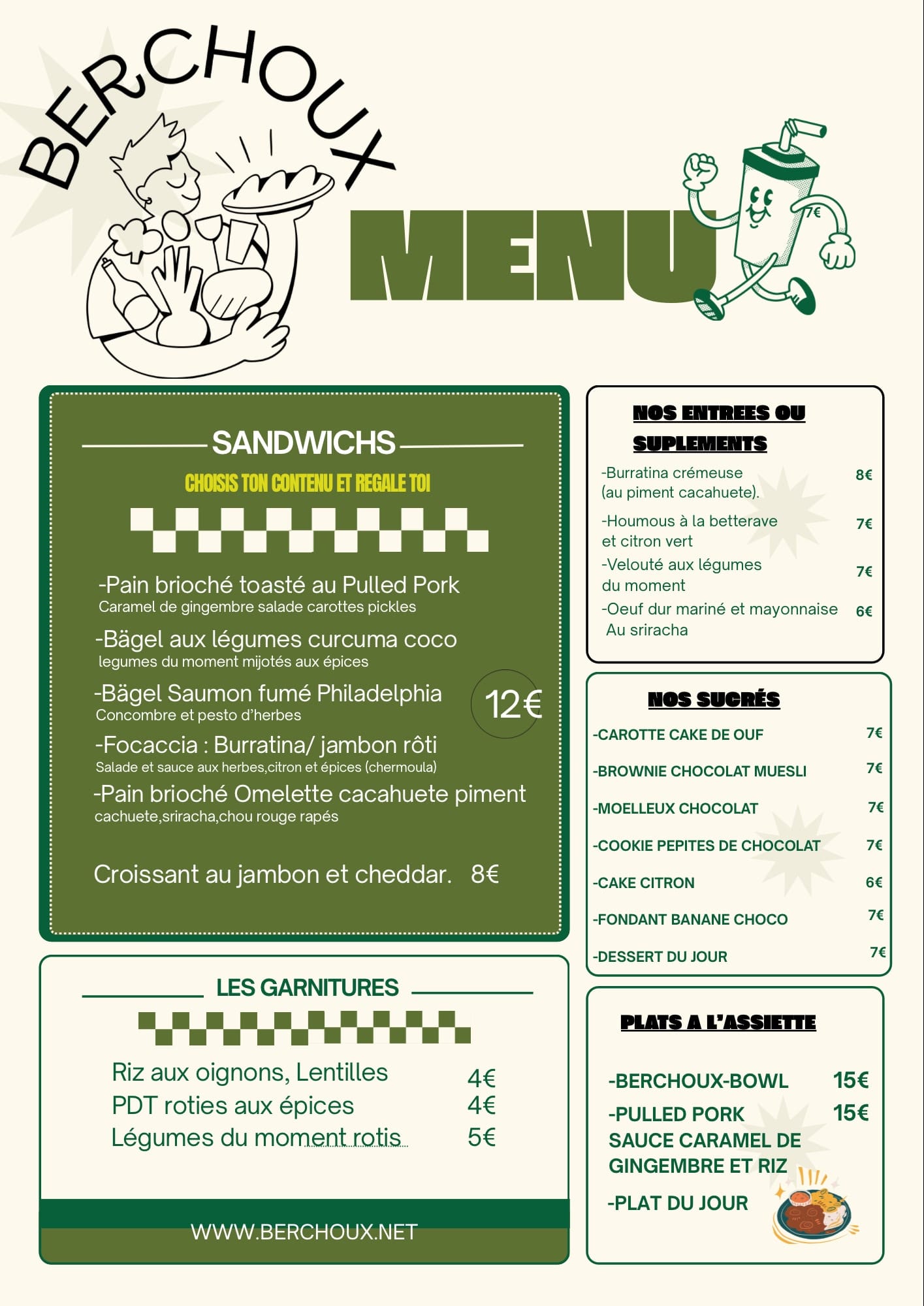
To choose a caterer in Paris, first define your need (number of guests, format, budget, venue), then compare on concrete criteria: home cooking, fresh produce, flexible packages, delivery area and logistics. Always ask for a detailed quote, favour a tasting when possible, and check options for dietary needs and anti-waste commitment. A good Paris caterer combines craft, transparency and proximity — like Berchoux, a flexitarian, anti-waste table in the 18th arrondissement.
Define your need before choosing a caterer
Before comparing providers, the first step in choosing a caterer in Paris is to clarify your need. How many guests? Is it a business lunch, a launch cocktail, a company seminar or a private evening? The format drives everything else: a seated buffet is nothing like individual meal trays or a standing cocktail.
Also set the concrete framework: date and time, venue, whether there's a kitchen on site, delivery access, set-up time. These logistical details often make the difference between a smooth event and a tense day. A serious Paris caterer will ask these questions upfront — if they don't, that's a first warning sign.
Finally, set a rough budget per person. It saves time and lets the caterer propose a coherent package rather than a generic quote. A well-defined need is already half the way to the right choice.
The criteria that really matter
Once the need is framed, four criteria genuinely set caterers apart. They matter far more than a single buffet photo on a website.
Produce quality
Fresh, seasonal, ideally local produce is the foundation. A caterer who talks about their suppliers and morning market inspires confidence.
Home cooking
Everything made on site, or dishes reheated? Home cooking shows in the plate. Ask what's cooked in house and what's outsourced.
Flexibility
A good caterer adapts packages to your format and constraints rather than imposing a fixed catalogue. Flexibility is a real mark of professionalism.
Proximity
A local caterer delivers faster, knows the ground and stays reachable. Geographic proximity simplifies the whole logistics.
Home cooking or industrial dishes?
This is probably the most decisive criterion, yet the least visible on a quote. Many so-called caterers simply assemble and reheat industrial preparations. The result shows — and tastes: uniform textures, standardised seasoning, no seasonality.
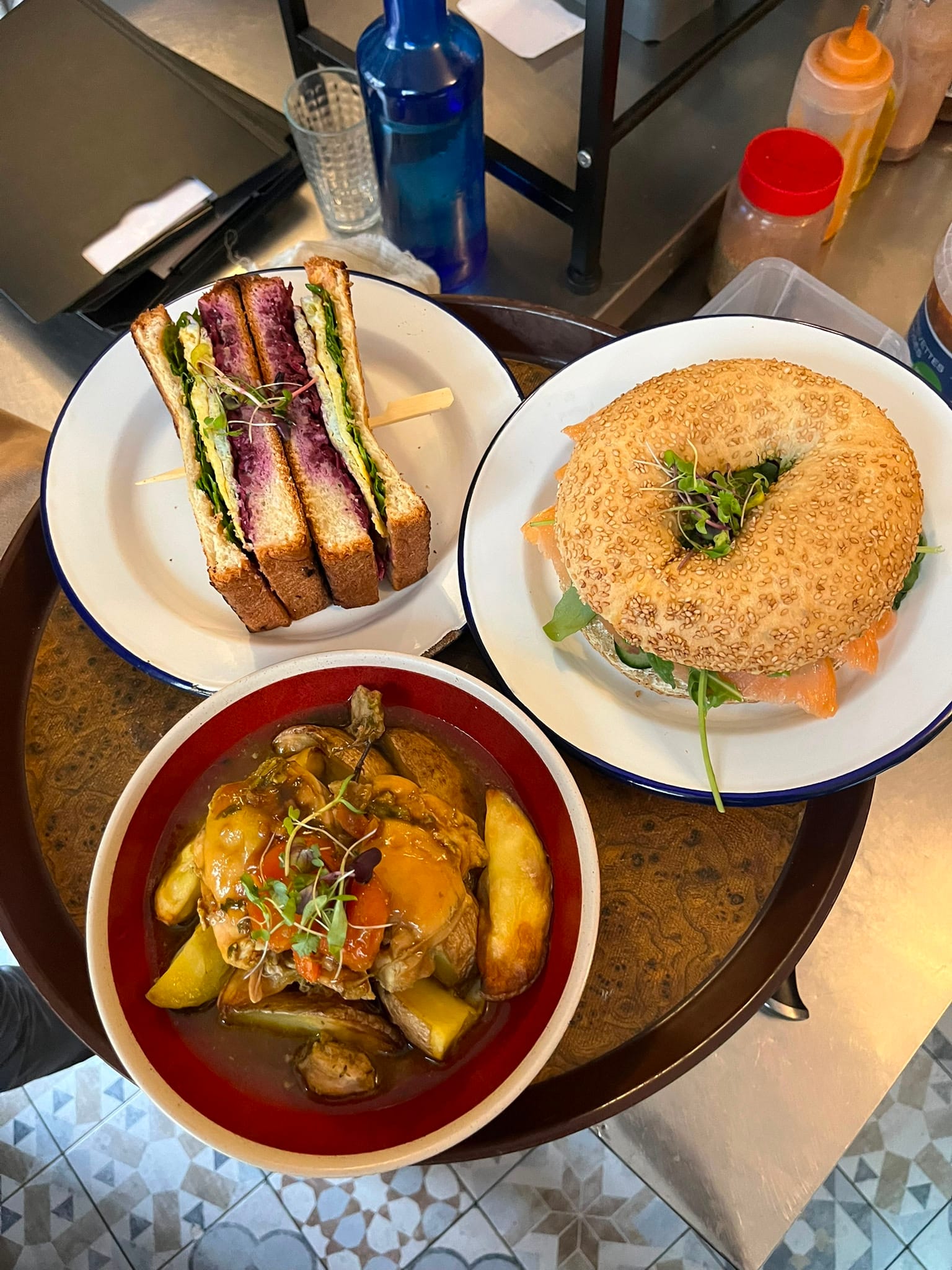
A caterer who genuinely cooks in house works from raw produce, builds the menu around deliveries and adapts to the season. At Berchoux, everything is made on site by chef Julie Berchoux, with a menu that follows the morning market. That standard sets a real table apart from a simple assembler.
To check, ask simple questions: where does the produce come from, what's cooked in house, does the menu change with the seasons? A home caterer answers precisely; an assembler stays vague. A tasting, when possible, settles it for good.
Choosing the right reception format
The format shapes the mood of your event as much as the budget. In Paris, the classics remain the buffet, the standing cocktail, meal trays and plated service — each suits a specific context.
Quick guidance
- The buffet: convivial and modular, ideal when guests mingle and share.
- The standing cocktail: perfect for a launch, a private view or a company evening.
- Meal trays: practical and neat for a working lunch, a seminar or a meeting.
- Plated service: more formal, for a seated dinner or a slower event.
An experienced caterer will advise the format best suited to your guest count, venue and desired effect. Don't get locked into a single option: the best Paris addresses know how to mix, for example a cocktail followed by a sweet buffet.
Delivery area and logistics
A caterer can offer remarkable food and still be the wrong choice if logistics fall short. The delivery area is decisive: a nearby provider delivers at the right temperature, on time, and can react to the unexpected. A long distance multiplies the risks.
Ask precisely about the area covered, delivery and equipment collection, and whether a team is present on site. Berchoux, for instance, serves Paris and the near suburbs from Montmartre (16 rue de la Fontaine du But, 75018 Paris) within roughly a 5 km radius — local roots that simplify the whole organisation.
Think about practical details too: delivery times matching your slot, building or room access, a water point or plating space. A caterer who anticipates these constraints spares you unpleasant surprises on the day.
Diets and dietary options
A caterer can no longer ignore the diversity of your guests' diets. Vegetarian, flexitarian, intolerances, allergies: the ability to offer clear, tasty options has become a criterion in its own right, not just a box to tick.
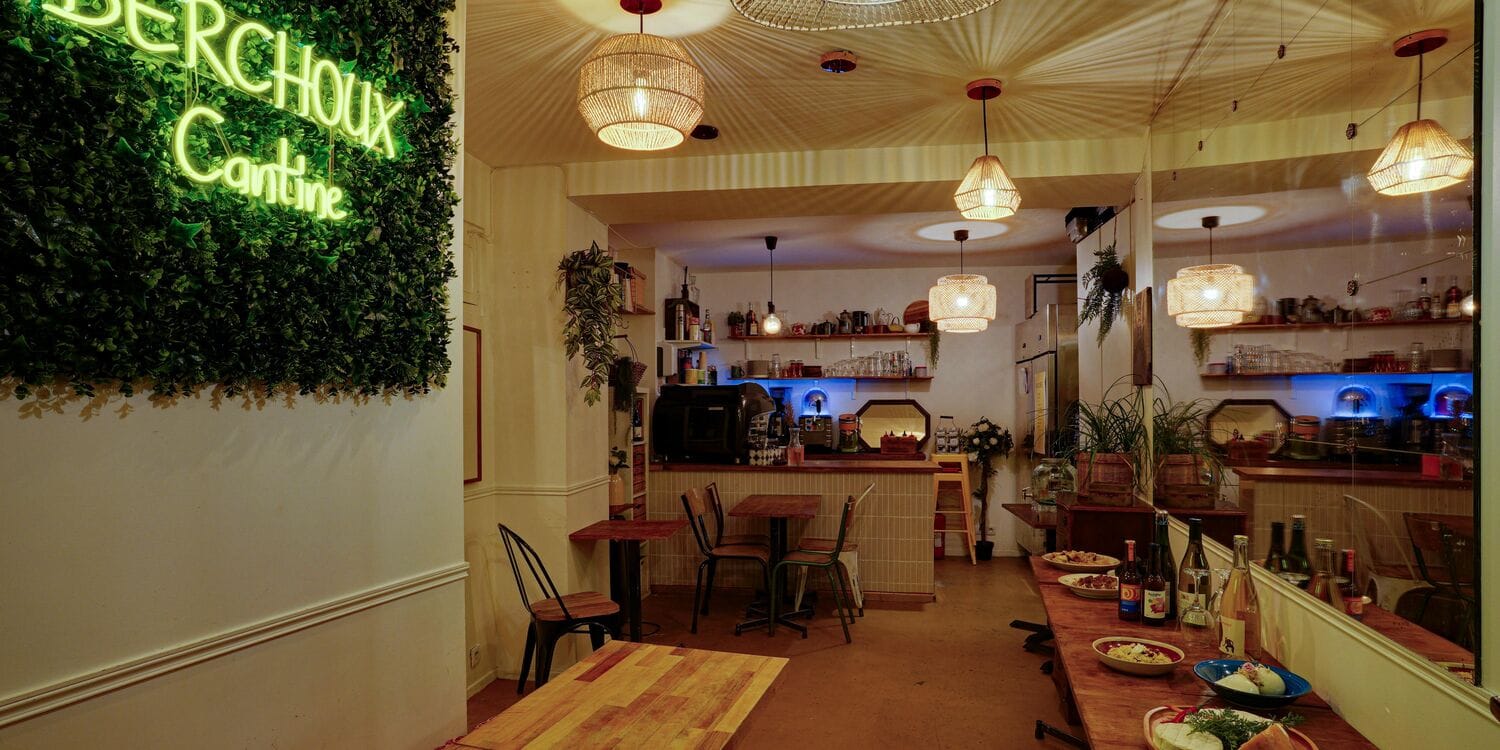
Favour caterers who naturally put plants forward and build balanced plates without relegating vegetarian options to an afterthought. Flexitarian cooking, like Berchoux's, meets this expectation precisely: vegetables lead, meat and fish stay available, and everyone finds their place without compromising on taste.
An eco-friendly, anti-waste caterer
Environmental commitment is no longer mere marketing: it's a concrete criterion that says a lot about a caterer's seriousness. Here are the gestures to look for.
Cooking in season
A caterer who follows the market limits waste and guarantees produce at its freshest. Seasonality is a sign of seriousness.
Reducing waste
Reusable containers, right-sized portions, use of surplus: anti-waste practices that reflect a responsible, coherent approach.
Local roots
Short supply chains, neighbourhood suppliers, local partnerships: a rooted caterer reduces its footprint and supports the local economy.
Choosing an eco-friendly caterer isn't sacrificing quality — it means fresher, fairer, better-thought cooking. Berchoux has run this anti-waste approach since opening in 2020.
The quote and the tasting
A good caterer always provides a clear, detailed quote: guest count, precise package contents, included services (delivery, equipment, staff), terms and deadlines. Be wary of vague or abnormally low quotes — they often hide industrial dishes or later add-ons.
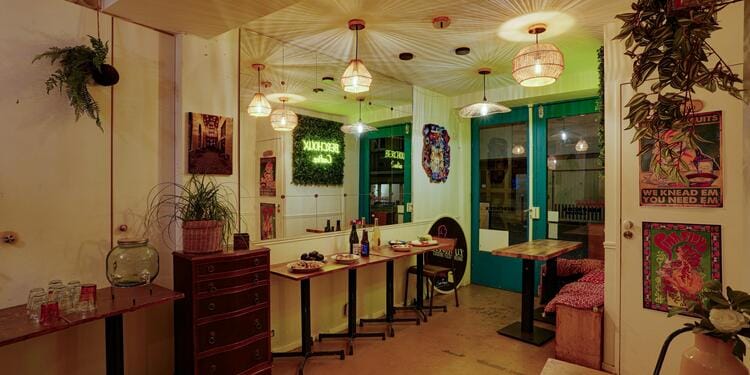
Whenever possible, ask for a tasting or try the caterer's food beforehand. Nothing replaces direct experience: it tells you about real produce quality, cooking mastery and the personality of the food. For a caterer who also runs a restaurant, like Berchoux, a lunch at their table is the best way to judge.
Finally, compare caterers on equivalent bases: same guest count, same format, same services. It's the only way to make an informed choice rather than relying on an impression or a nice photo.
Questions to ask before you sign
Before confirming your caterer, a few well-targeted questions clear the last doubts. They let you compare objectively and avoid misunderstandings on the day of your Paris reception.
Take the time to put everything in writing in the quote: a frank conversation upfront beats disappointment on the day. A professional caterer will value your standards.
The checklist
- Is everything cooked in house?
- Which vegetarian options?
- What delivery area?
- What exactly is in the quote?
- Is a tasting possible?
FAQ
Frequently asked questions about choosing a caterer in Paris
How do you choose a good caterer in Paris?
First define your need (guests, format, budget, venue), then compare caterers on concrete criteria: home cooking, fresh produce, flexible packages, delivery area and anti-waste commitment. Always ask for a detailed quote and, if possible, a tasting.
What are the most important criteria?
Produce quality and freshness, home cooking, package flexibility and geographic proximity are decisive. A caterer's transparency about suppliers and methods is an excellent indicator of seriousness.
How can I tell if a caterer really cooks in house?
Ask precise questions: where the produce comes from, what's cooked in house, whether the menu changes with the seasons. A home caterer answers precisely. A tasting, or a meal at their restaurant if they have one, settles it.
Which reception format should I choose?
A buffet for conviviality, a standing cocktail for an evening event, meal trays for a working lunch or seminar, and plated service for a more formal dinner. A good caterer advises based on your guest count and venue.
Should I ask for a tasting?
Yes, whenever possible. Nothing replaces direct experience to judge produce quality and cooking mastery. For a caterer who also runs a restaurant, a lunch at their table is the best way to judge before committing.
Should a caterer offer vegetarian options?
It's now essential. Favour a caterer who naturally puts plants forward. Flexitarian cooking, where vegetables lead without excluding meat or fish, satisfies every guest.
Why favour a local caterer in Paris?
A nearby caterer delivers at the right temperature, on time, and can react to the unexpected. Proximity simplifies logistics and reduces the environmental footprint through short supply chains.
Going further
You now know the essentials for comment choisir traiteur paris — discover Berchoux's home-made, anti-waste catering offer.