Organising your reception in Paris: the complete guide
Published on
Launch cocktail, company seminar, birthday or private dinner: a successful event is won as much in the plate as in the planning. Here's how to work with an event caterer in Paris, from the first brief to the last tray.
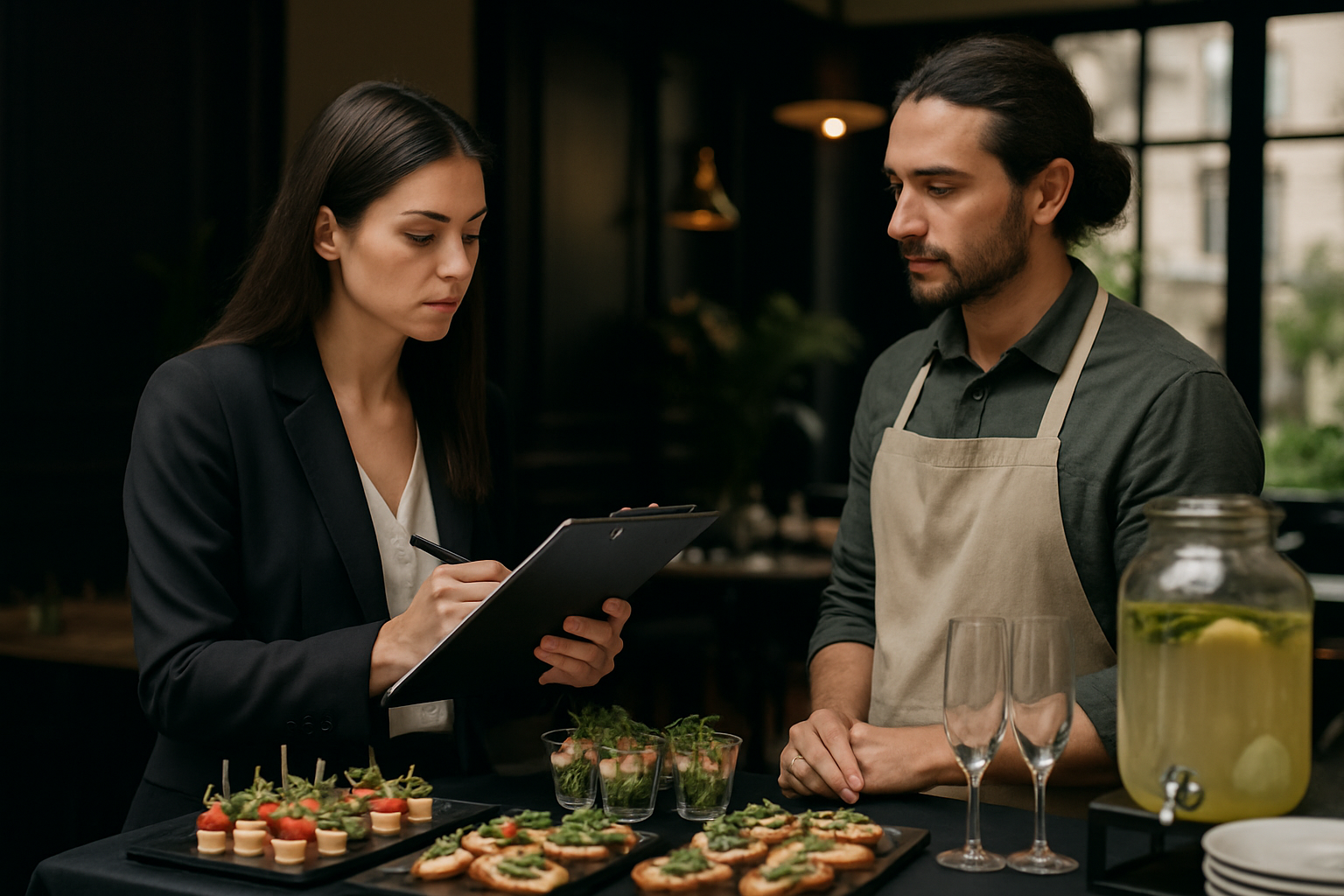
The essentials
An event caterer in Paris designs, prepares and serves the food for your reception — cocktail, buffet, meal trays or plated service — away from its restaurant, at your venue. To succeed, first define the format and guest count, favour home-made seasonal cooking, anticipate logistics (delivery, access, plating) and brief your provider precisely. A good Paris caterer combines craft, flexibility and proximity, and adapts to every occasion. In Montmartre, Berchoux extends its flexitarian, anti-waste cooking to your event, within roughly a 5 km radius of the 18th arrondissement.
What an event caterer in Paris really is
An event caterer is not just a tray delivery service. It's a professional who designs a full culinary experience around a specific moment — a product launch, a seminar, a wedding, a company evening — then prepares and serves it wherever the event takes place. In Paris, where atypical venues and access constraints are common, the job demands as much organisation as culinary talent.
The difference from a restaurant lies in mobility and adaptation. The caterer leaves its kitchen to come to you: an office, a private room, a rooftop, a flat. Every dish must therefore travel well, plate nicely on site and hold up in the conditions of the venue, sometimes with no water point or cooktop nearby. That invisible craft is what makes a good provider valuable.
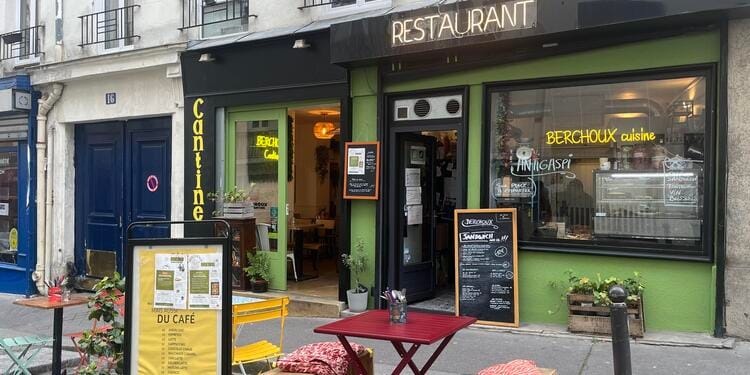
In Montmartre, Berchoux approaches events as an extension of its neighbourhood canteen. The same chef, the same market-led cooking, the same refusal of waste — simply carried over to your reception. We don't lower our standards when we leave the 18th; we take them with us to your table.
The reception formats to know
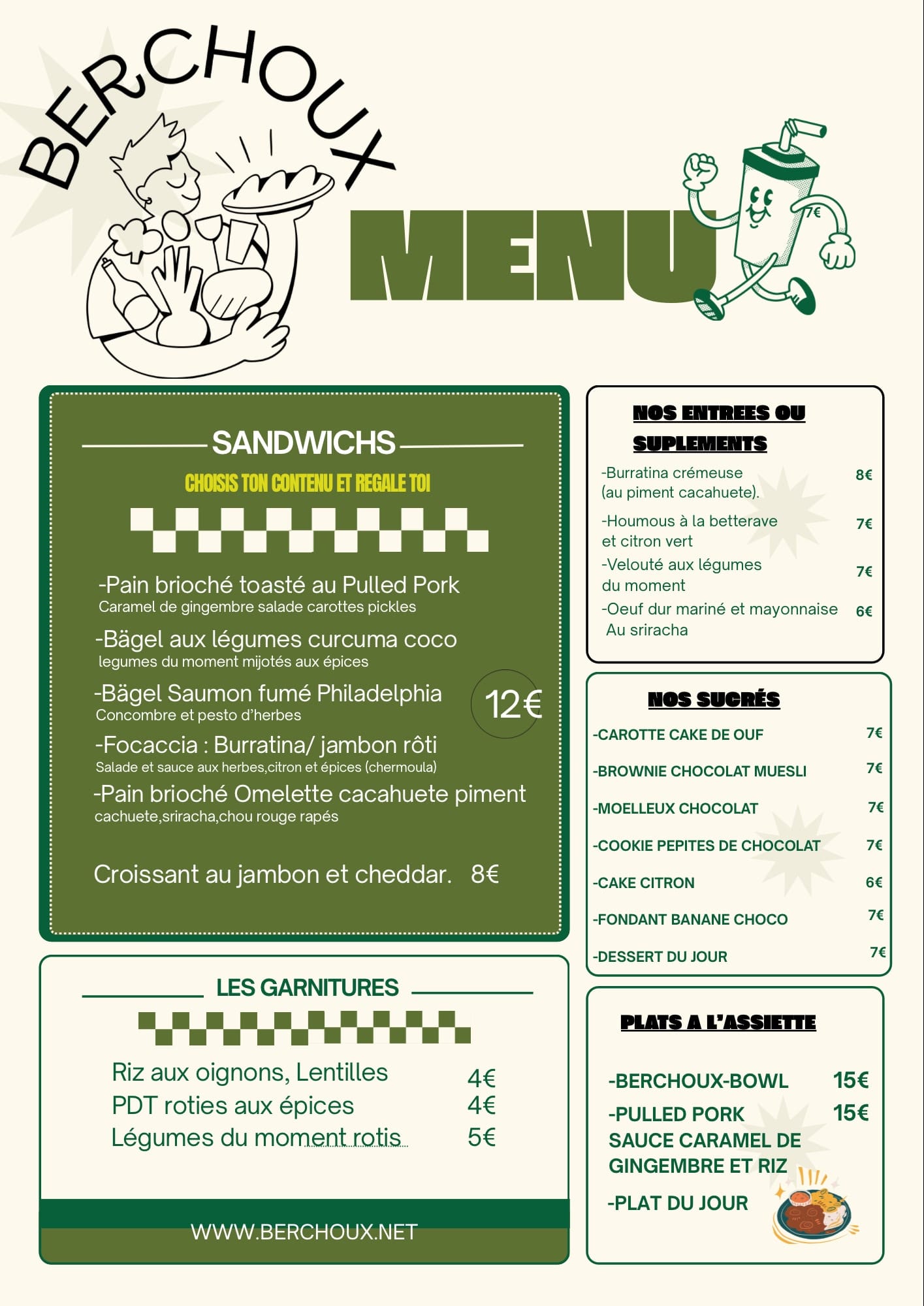
Before the menu, everything starts with the format. It sets the tone, frames the budget and drives the logistics. In Paris, four main families cover most receptions.
The dinner cocktail
Standing and mobile, it keeps guests and conversations flowing. Ideal for a launch, a private view or an afterwork where you want fluidity rather than a fixed meal.
The shared buffet
Convivial and modular, it suits any headcount and lets everyone build their plate. Perfect for an opening, a birthday or a relaxed reception.
Meal trays
Practical and individual, they frame a working lunch, a meeting or a seminar without breaking the pace. The neat solution when time is short.
Plated service
More formal, for a seated dinner or a slower event. It needs more staff and space, but offers a polished experience throughout.
Nothing stops you from mixing: a cocktail followed by a sweet buffet, trays completed by a sharing platter. The best Paris addresses compose bespoke rather than impose a fixed catalogue.
Home-made vs industrial assembly
This is the most decisive criterion in events, and paradoxically the least visible on a quote. Many so-called caterers simply assemble and reheat industrial preparations delivered in bulk. The result shows — and tastes: uniform textures, standardised seasoning, no seasonality at all. Your guests feel it, even without naming what's wrong.
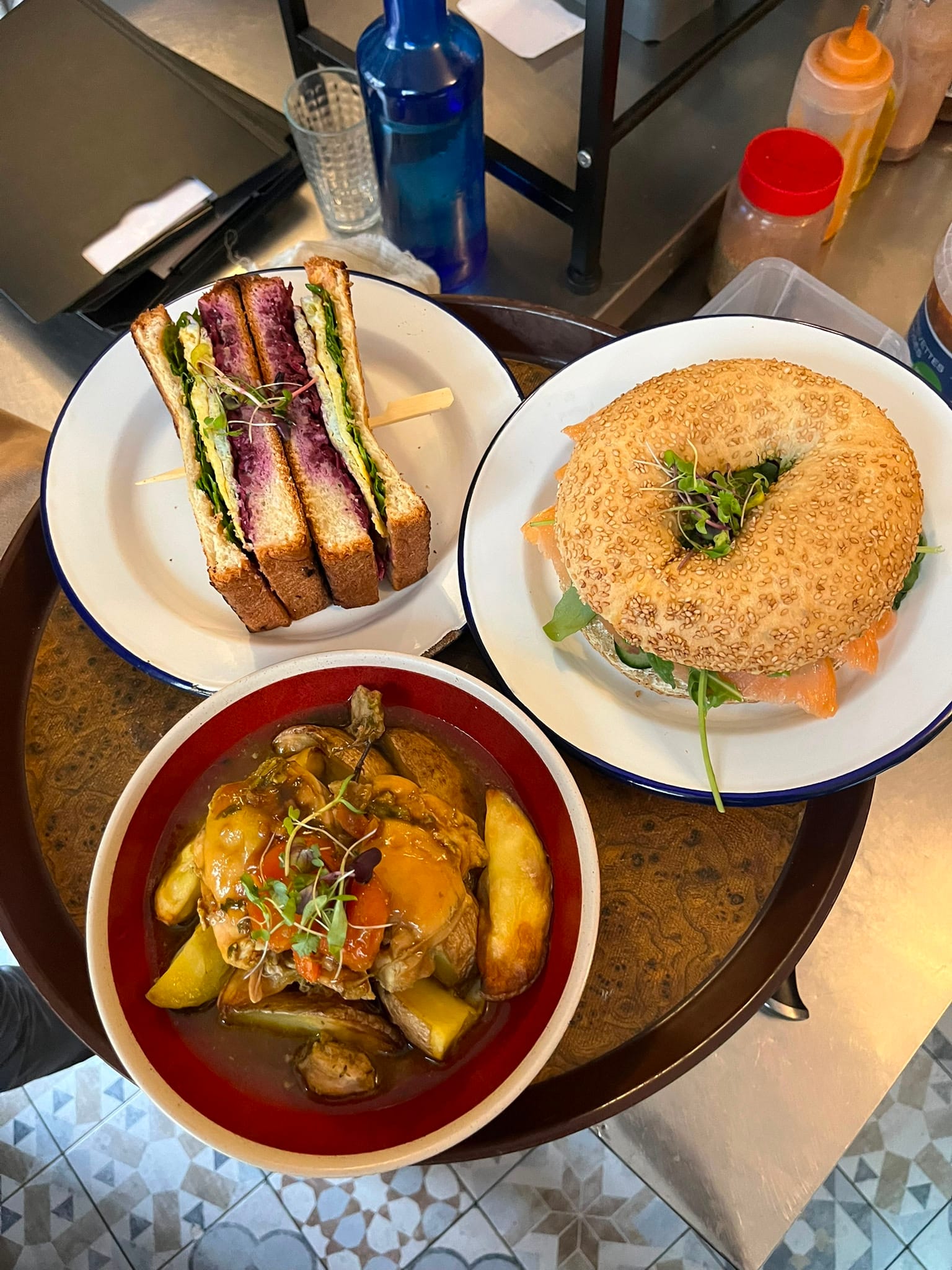
A caterer who genuinely cooks in house works from raw produce, builds the menu around deliveries and adapts to the season. At Berchoux, everything is made on site by chef Julie Berchoux, in the Montmartre restaurant, before heading to your event. Nothing is outsourced, nothing thawed the day before: what reaches you was thought out and cooked for you.
To check, ask simple questions before signing. Where does the produce come from? What's really cooked in house? Does the menu change with the seasons? A home caterer answers precisely and proudly; an assembler stays vague. And when the caterer also runs a restaurant, like Berchoux, a simple lunch is worth every tasting: you judge the cooking before entrusting your reception.
Building a seasonal, flexitarian menu
A good event menu isn't copied from one year to the next: it follows the market. Cooking in season guarantees produce at its freshest, limits supply distances and offers guests living cooking rather than a fixed catalogue. In Paris, this standard immediately sets a serious table apart from a mere volume supplier.
The other key trend is flexitarianism. Your guests no longer all eat the same way: vegetarian, flexitarian, intolerances, allergies. Cooking where vegetables lead, with meat and fish as sides and genuine fully vegetarian options, lets everyone enjoy without feeling sidelined. That's precisely Berchoux's DNA, and a major asset for a reception where no one should be forgotten.
In practice, a good menu plays on contrast: fresh bites and heartier pieces, crunch and softness, plenty of vegetables and a few indulgent touches. We avoid needless fat and oversized portions in favour of true flavour and variety. Your guests should leave having genuinely eaten well — not just having seen nice photos on the table.
Anticipating Paris logistics
A caterer can offer remarkable food and still be the wrong choice if logistics fall short. In Paris, this is often where it all plays out: heavy traffic, difficult parking, buildings without lifts, upstairs rooms, tight delivery windows. The service area becomes decisive — a nearby provider delivers at the right temperature, on time, and can react to the unexpected.
Ask precisely about the area covered, delivery and equipment collection, and whether a team is present on site. Berchoux, for instance, serves Paris and the near suburbs from Montmartre (16 rue de la Fontaine du But, 75018 Paris, Lamarck-Caulaincourt metro) within roughly a 5 km radius — local roots that simplify the whole organisation and shorten trips.
Think too about the details that make the day: delivery times matching your slot, building or room access, a water point, plating space, waste handling at the end of service. A caterer who anticipates these constraints spares you cold sweats — and one who doesn't raise them upfront should give you pause.
The anti-waste commitment, a real criterion
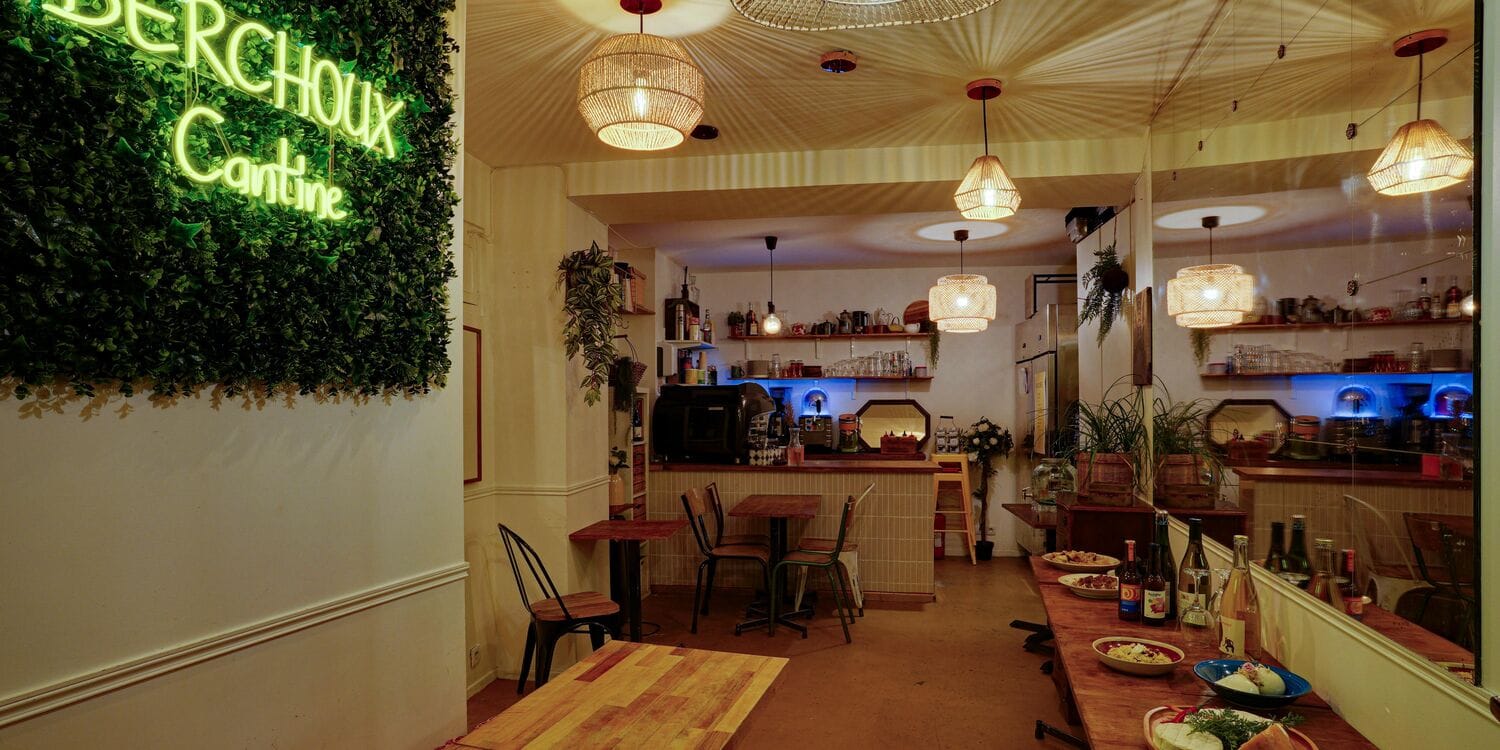
Environmental commitment is no longer marketing: it's a concrete criterion that says a lot about an event caterer's seriousness. Here are the gestures to look for before entrusting your reception.
Cooking in season
Following the morning market limits waste and guarantees produce at its freshest. Seasonality is the first sign of a caterer who truly thinks its cooking.
Reducing waste
Limited containers, right-sized portions, surplus turned into the dish of the day: anti-waste practices that reflect a coherent approach, from market to the last tray.
Local roots
Short supply chains, neighbourhood suppliers, shorter trips: a rooted caterer lightens its footprint and supports the local economy, without sacrificing taste.
Choosing an eco-friendly caterer isn't cutting quality — it means fresher, fairer, better-thought cooking. Berchoux has run this anti-waste approach since opening in 2020, and applies it to every event as to every lunch service.
The timeline of a successful event
An event is planned backwards, starting from the date. The more you anticipate, the more room your caterer has to design a bespoke menu and secure logistics. For large receptions, allow several weeks; for a lighter format, a few days often suffice, provided the essentials are settled quickly. Since Berchoux cooks from the market, it's best to talk early to lock the date, headcount and broad strokes.
The secret to a smooth day lies in details settled in advance. A good timeline lists the milestones not to miss and avoids last-minute decisions. Take the time to put everything in writing in the quote: a frank conversation weeks before beats disappointment on the day.
The timeline
- Set date, venue and headcount
- Choose format and budget
- Validate the seasonal menu
- Settle delivery, access and plating
- Confirm diets and allergies
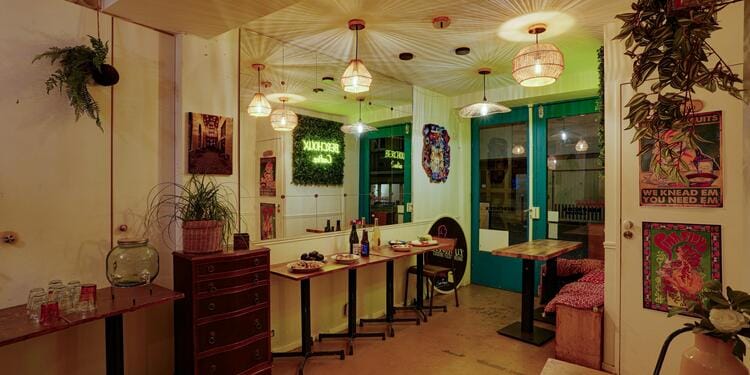
A format for every occasion
No event is quite like another, and that's a good thing. A launch cocktail doesn't share the codes of a team seminar; a family birthday isn't handled like a company evening or an opening. The event caterer's role is precisely to adjust its proposal — format, volume, service — to the exact nature of your reception rather than roll out a single formula.
In Paris, Berchoux composes a relaxed afterwork as readily as a neat working lunch, a generous birthday buffet as much as a dressier cocktail. The essentials stay constant: home-made, seasonal, waste-free cooking, whatever the occasion. That consistency, within flexibility, turns a simple service into a moment your guests remember.
Briefing your caterer well
A caterer doesn't guess your event: it builds it from what you tell it. The clearer your brief, the more accurate the proposal. Give the essentials upfront — date, time, venue, guest count, desired mood — then specify venue constraints and your guests' dietary profiles. A serious provider will ask these questions itself; if it doesn't, that's a first warning sign.
Don't hesitate to mention budget from the start, even as a range. It avoids wasting time on unsuitable proposals and lets the caterer build a coherent service rather than a generic quote. Trust is built in that exchange: a good event caterer values your standards and reads them as the sign of a well-prepared event.
To share with your caterer
- Date, time and duration
- Exact venue and access
- Number of guests
- Desired format and mood
- Diets, allergies and budget
FAQ
Frequently asked questions about event catering in Paris
What is an event caterer?
It's a professional who designs, prepares and serves the food for an event — cocktail, seminar, wedding, company evening — away from its restaurant, at your venue. Unlike a simple delivery service, it plans each dish so it travels well and plates nicely on site.
Which format should I choose for my Paris reception?
The dinner cocktail for a standing, mobile evening, the buffet for conviviality, meal trays for a working lunch or seminar, and plated service for a more formal dinner. A good caterer advises based on your guest count, venue and desired effect.
How far in advance should I book?
For a large event, allow several weeks to design the menu and secure logistics. For a lighter format, a few days can suffice. As Berchoux cooks from the morning market, it's best to talk early to settle the date, headcount and broad strokes.
How can I tell if a caterer really cooks in house?
Ask precise questions: where the produce comes from, what's cooked in house, whether the menu changes with the seasons. A home caterer answers precisely. When it also runs a restaurant, like Berchoux, a lunch on site is enough to judge before committing.
Do you offer vegetarian and flexitarian options?
Yes. Berchoux's cooking is flexitarian by nature: vegetables lead, meat and fish stay as sides. We gladly compose a fully vegetarian service for your event, with no compromise on taste.
What area do you serve?
Paris and the near suburbs, within roughly a 5 km radius of our restaurant in the 18th arrondissement, in Montmartre. Paris 9, Pigalle, the Batignolles, Clichy and Saint-Ouen are part of our usual area.
How is your event catering anti-waste?
We cook what the market offers, turn surplus into the dish of the day and limit packaging, with no overproduction or needless disposable trays. The zero-waste logic runs from the morning market to the last tray of your reception.
Going further
You now have every key to organise your reception — discover the traiteur événementiel Paris offer by Berchoux: home-made, seasonal and waste-free.